
POLITICS
Fears of US NATO Exit Push Europe Toward ‘European NATO’ Defense Strategy

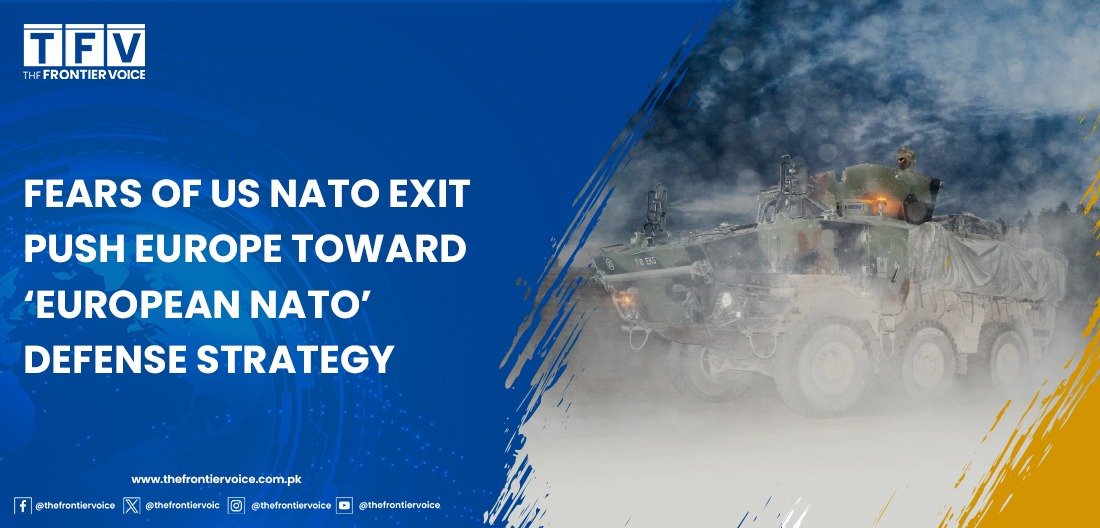
A recent report by a U.S. newspaper suggests that growing concerns over a potential American withdrawal from NATO have accelerated European efforts to develop an alternative, more self-reliant defense framework—informally being referred to as a “European NATO.”
According to the report, European nations are working on a strategy that would allow them to take greater control over command, logistics, intelligence, and military operations, ensuring continuity of defense even if the United States reduces its role in the alliance. The initiative is not aimed at dismantling NATO but rather at preparing for a scenario where U.S. support becomes limited or uncertain.
A major shift in Germany’s defense policy is said to have played a key role in advancing this concept. Statements by former U.S. President Donald Trump, including signals about potentially exiting NATO and controversial remarks regarding Greenland, have heightened concerns among European leaders.
The report also highlights that disagreements between the U.S. and Europe over issues such as the Iran conflict have strained transatlantic relations, further motivating Europe to strengthen its strategic independence.
European countries are now exploring measures such as restoring mandatory military service, boosting defense production, and enhancing capabilities in air defense and intelligence systems. However, the most significant challenge remains replacing the U.S. nuclear umbrella and its advanced satellite and intelligence infrastructure.
Additionally, early discussions between France and Germany are reportedly underway to expand Europe’s nuclear deterrence capabilities—an issue considered highly sensitive and critical to the future of the continent’s defense posture.
The evolving situation reflects a potential turning point in global security dynamics, as Europe seeks to redefine its role within, and possibly beyond, the NATO alliance.