TECHNOLOGY
OpenAI Reportedly Preparing Major ChatGPT Overhaul Focused on AI Agents and Coding

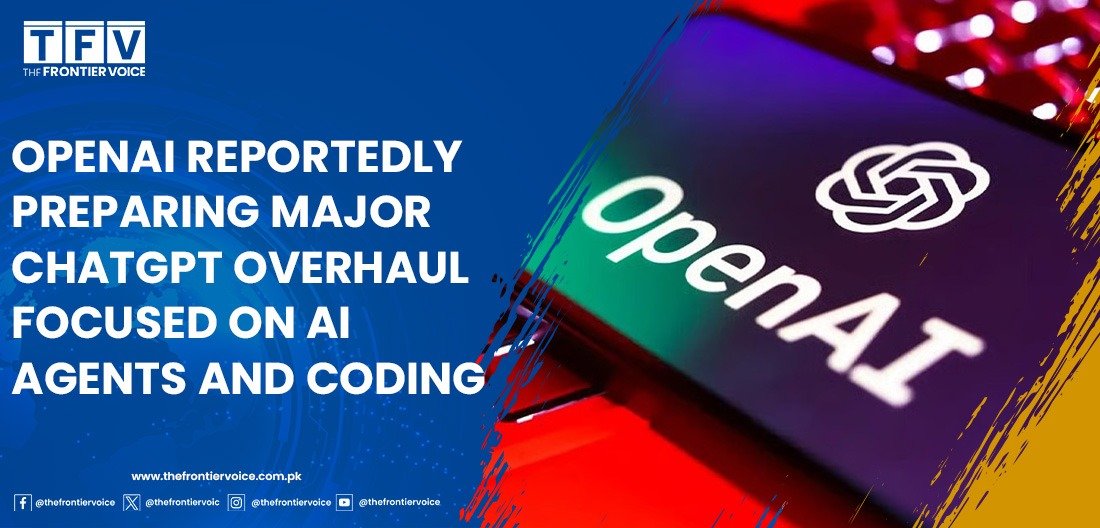
OpenAI is reportedly preparing one of the most significant transformations of ChatGPT since its launch, with a redesigned platform that emphasizes AI agents, coding tools, and productivity features over conventional chatbot interactions.
According to a report by the Financial Times, the new version of ChatGPT could be introduced within the coming weeks as OpenAI seeks to expand its platform beyond simple conversational AI.
The report suggests that OpenAI increasingly sees AI agents as the future of its products. These agents would be capable of performing tasks, automating workflows, and assisting users with more complex activities rather than simply answering questions through chat.
A major part of the redesign is expected to focus on coding capabilities. OpenAI’s Codex tools, which help users write, understand, and manage software code, are reportedly being given greater prominence as the company strengthens its position among developers and technical professionals.
The company is also said to be developing what insiders describe as a “superapp” experience, bringing AI agents, coding tools, and productivity services together into a single platform accessible through both web and mobile applications.
Industry analysts believe the move is partly driven by growing competition in the artificial intelligence sector, particularly from companies such as Anthropic, whose AI products have gained popularity among software developers.
The reported overhaul comes as AI companies search for sustainable revenue models. While chatbots have attracted hundreds of millions of users, converting those users into paying customers remains a challenge.
OpenAI is also reportedly exploring additional revenue streams, including advertising and premium productivity services, as it positions ChatGPT as a comprehensive AI-powered work and development platform rather than just a conversational assistant.
If implemented, the redesign could mark a major shift in how users interact with AI, moving from simple conversations to intelligent systems capable of completing real-world tasks and managing complex workflows.