TECHNOLOGY
Scientists Discover Living Microbes Inside 5,300-Year-Old Ötzi the Iceman Mummy

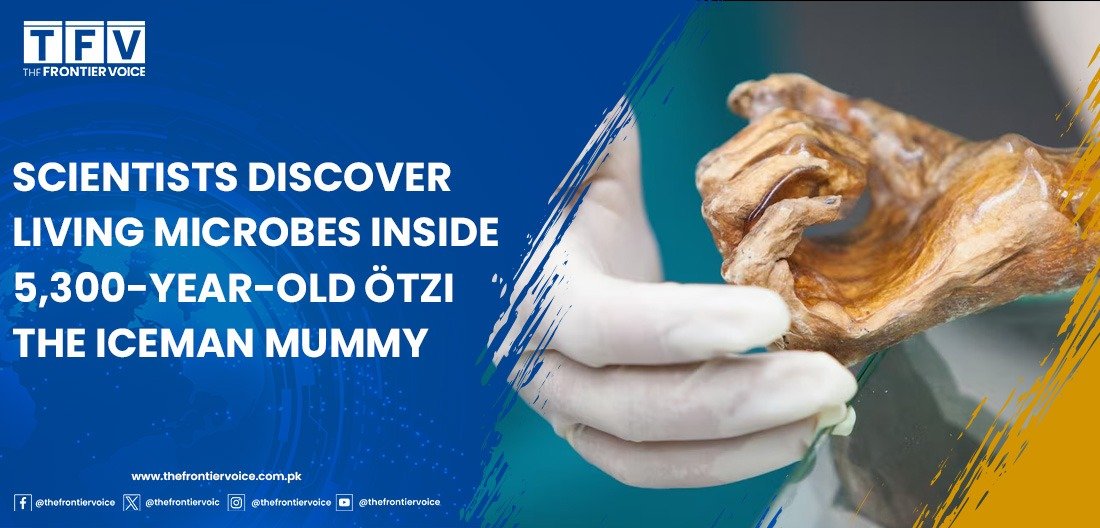
Scientists have uncovered a surprising new discovery inside the famous 5,300-year-old mummy known as Ötzi the Iceman. According to a recent study, some microorganisms found within the ancient body are not only still alive but also appear capable of adapting to environmental changes.
The findings, published in the scientific journal Microbiome, reveal that certain ancient gut bacteria and cold-resistant yeast species continue to show biological activity despite thousands of years having passed since Ötzi’s death.
Researchers from Eurac Research in Italy analyzed samples from the mummy’s skin, internal tissues, and surrounding meltwater. Their investigation uncovered a unique ancient microbial ecosystem that provides valuable information about the microorganisms that lived inside humans thousands of years ago.
The study also found that active bacteria in Ötzi’s intestines correspond closely with evidence of his final meal, which included fatty wild animal meat, ancient grains, and a toxic fern plant.
Scientists identified several rare bacterial species that have largely disappeared from modern urban populations but can still be found among some remote tribal communities in Africa and South America.
Perhaps the most surprising discovery involved certain yeast species. Researchers observed that these microbes have increased in number over the past nine years and appear capable of surviving by utilizing disinfectant chemicals used to preserve the mummy.
Experts say the findings could reshape current preservation strategies for ancient remains while providing valuable insights into human health, disease history, and the long-term evolution of microorganisms.
Although the identity of Ötzi’s killer remains a mystery, the living microbiome inside his body may help scientists unlock new secrets about humanity’s ancient past.