

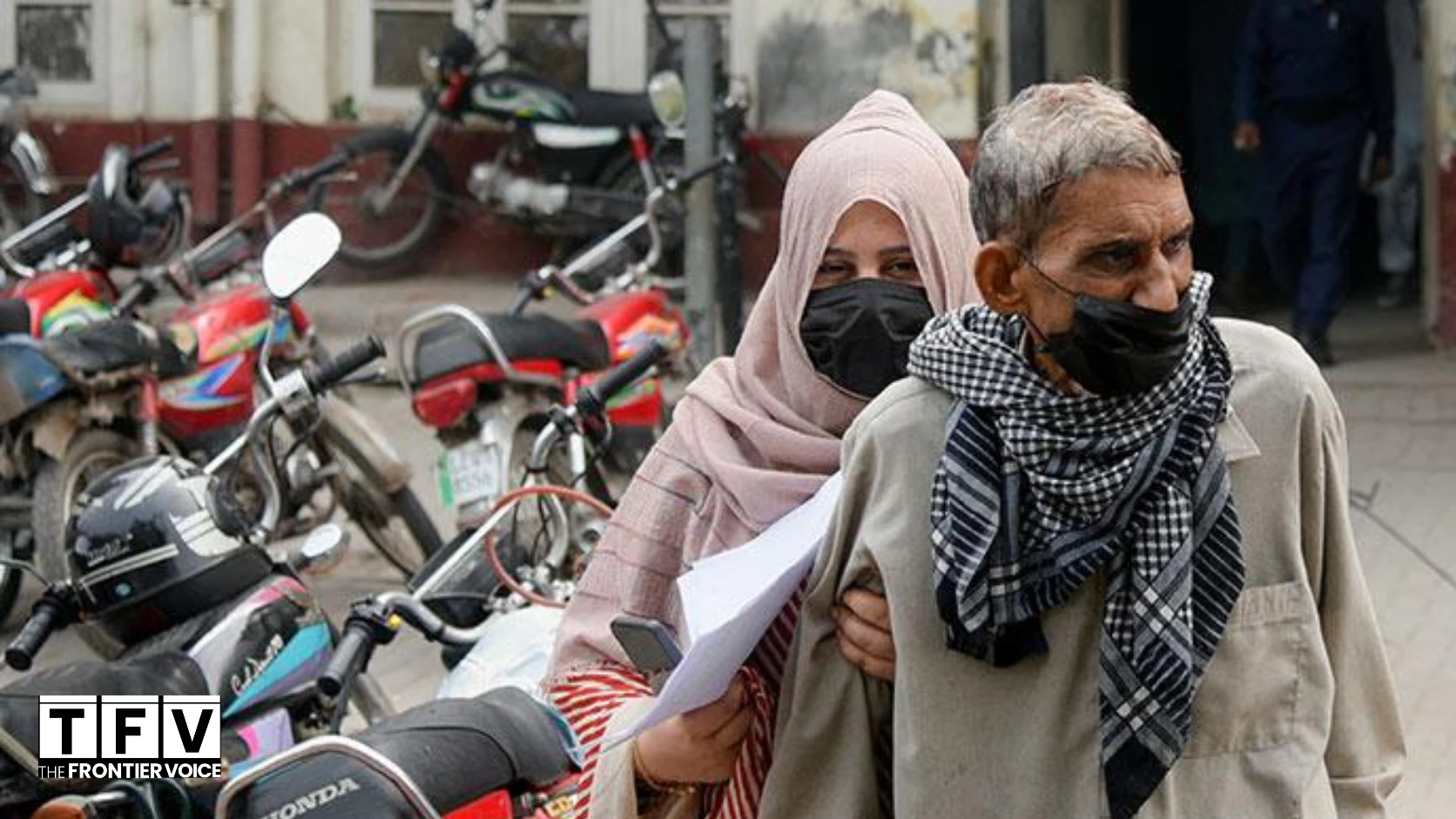
Pakistan is facing increased risks of seasonal and infectious diseases with the arrival of winter, prompting the National Institute of Health (NIH) to issue multiple public health advisories and urge citizens and healthcare authorities to take precautionary measures.
According to the advisories, falling temperatures, seasonal changes and worsening smog conditions may increase the spread of seasonal influenza and other respiratory illnesses across the country.
The NIH has also highlighted the risk of vaccine-preventable diseases, including measles, diphtheria, whooping cough and tetanus, emphasizing the importance of routine and catch-up vaccination, particularly among children.
Health authorities have warned that severe smog and air pollution may aggravate respiratory and cardiovascular conditions, posing additional risks to people suffering from asthma, heart diseases and other existing health complications. Children and elderly citizens have been advised to take extra precautions during the winter season.
Federal and provincial health departments, hospitals and diagnostic laboratories have been directed to strengthen disease surveillance, ensure timely testing and diagnosis, maintain adequate medical preparedness and improve public awareness to deal with a possible increase in patients.
The NIH has urged the public to follow preventive measures, complete recommended vaccinations, avoid unnecessary outdoor exposure during severe smog and seek medical attention promptly if symptoms of illness develop.
Health experts stress that timely prevention, early diagnosis and appropriate treatment remain essential to reducing the health risks associated with winter illnesses.