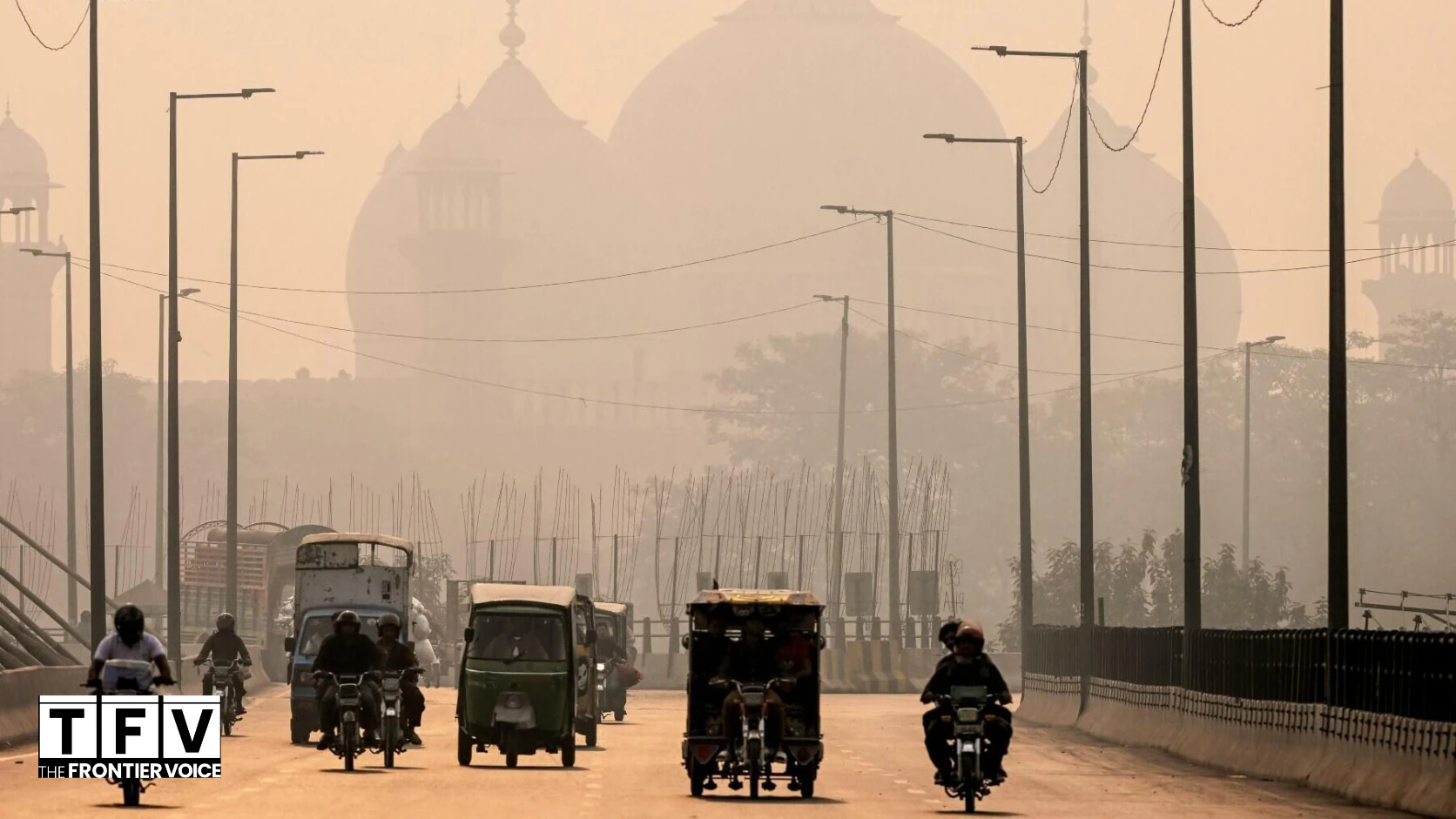

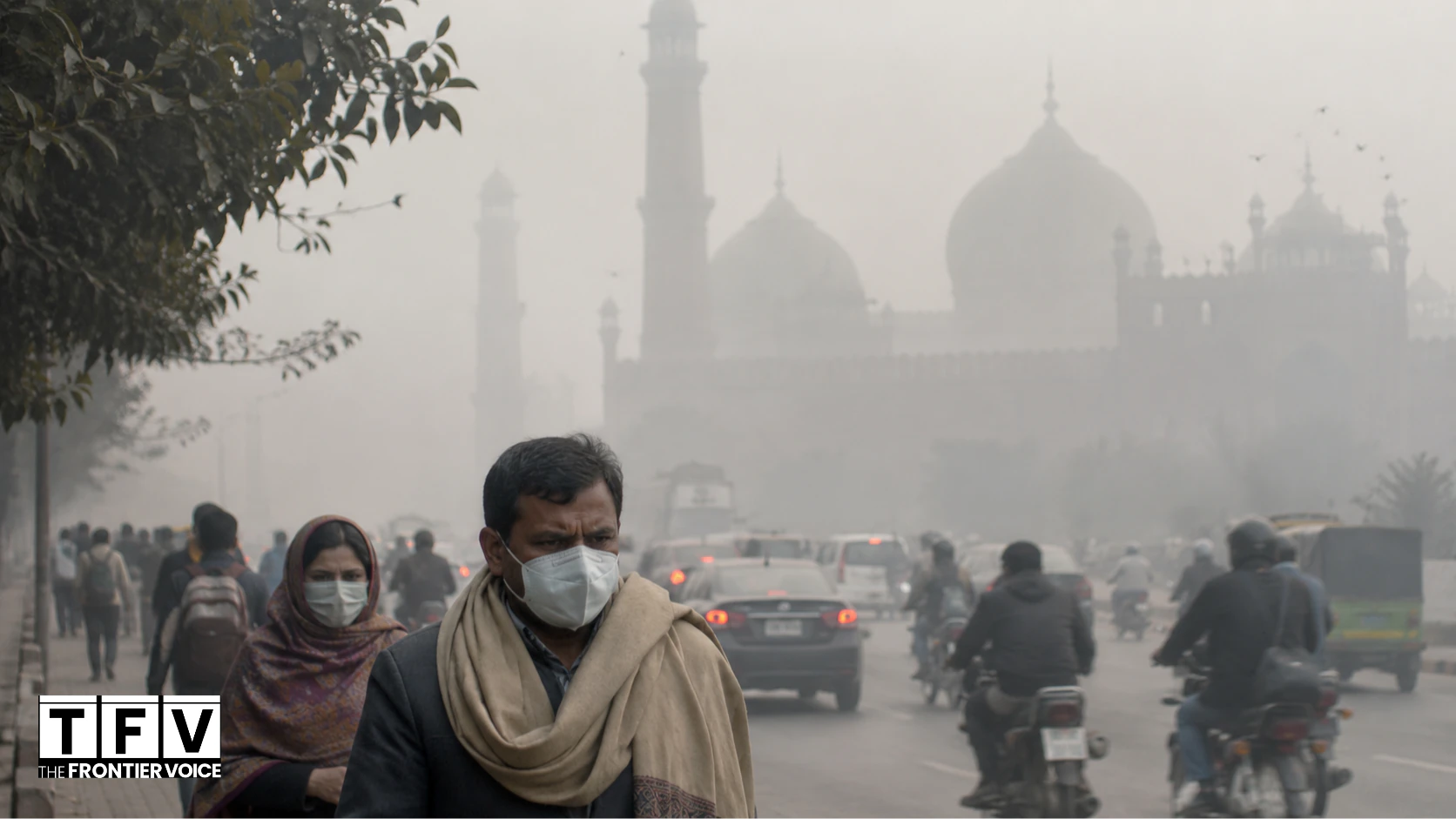
Lahore has once again been hit by dangerously high air pollution, with the city's overall Air Quality Index reaching 267 on Saturday, November 21. Pollution levels in several parts of the city were significantly higher, raising concerns about public health as smog continues to affect urban life.
Monitoring figures showed severe pollution in multiple neighbourhoods, with some locations recording AQI readings above 300. The deteriorating air quality has increased concern for residents, particularly children, older people and those suffering from respiratory or cardiovascular conditions.
The worsening conditions come amid the seasonal smog that regularly affects Punjab during colder months. Traffic emissions, industrial pollution, construction activity, agricultural burning and weather conditions that trap pollutants close to the ground are among the factors commonly associated with the region's air-quality problems.
Exposure to polluted air can cause eye irritation, coughing, breathing difficulties and other health complications. People with asthma and other existing respiratory conditions may be particularly vulnerable when pollution levels rise.
Residents have been advised to limit unnecessary outdoor activity, avoid strenuous exercise in polluted air and use appropriate protective masks when they need to go outside. Keeping children and elderly family members away from prolonged exposure is also important.
But Lahore's smog problem extends far beyond seasonal inconvenience. It raises deeper questions about urban planning, public transport, industrial regulation, environmental enforcement and the long-term health costs of air pollution.
Repeated episodes of severe smog have made air quality a growing public-health and economic issue for millions of people across Punjab.
The challenge is no longer simply how to survive another smog season. It is whether authorities can develop a lasting strategy that makes clean air a year-round priority.