

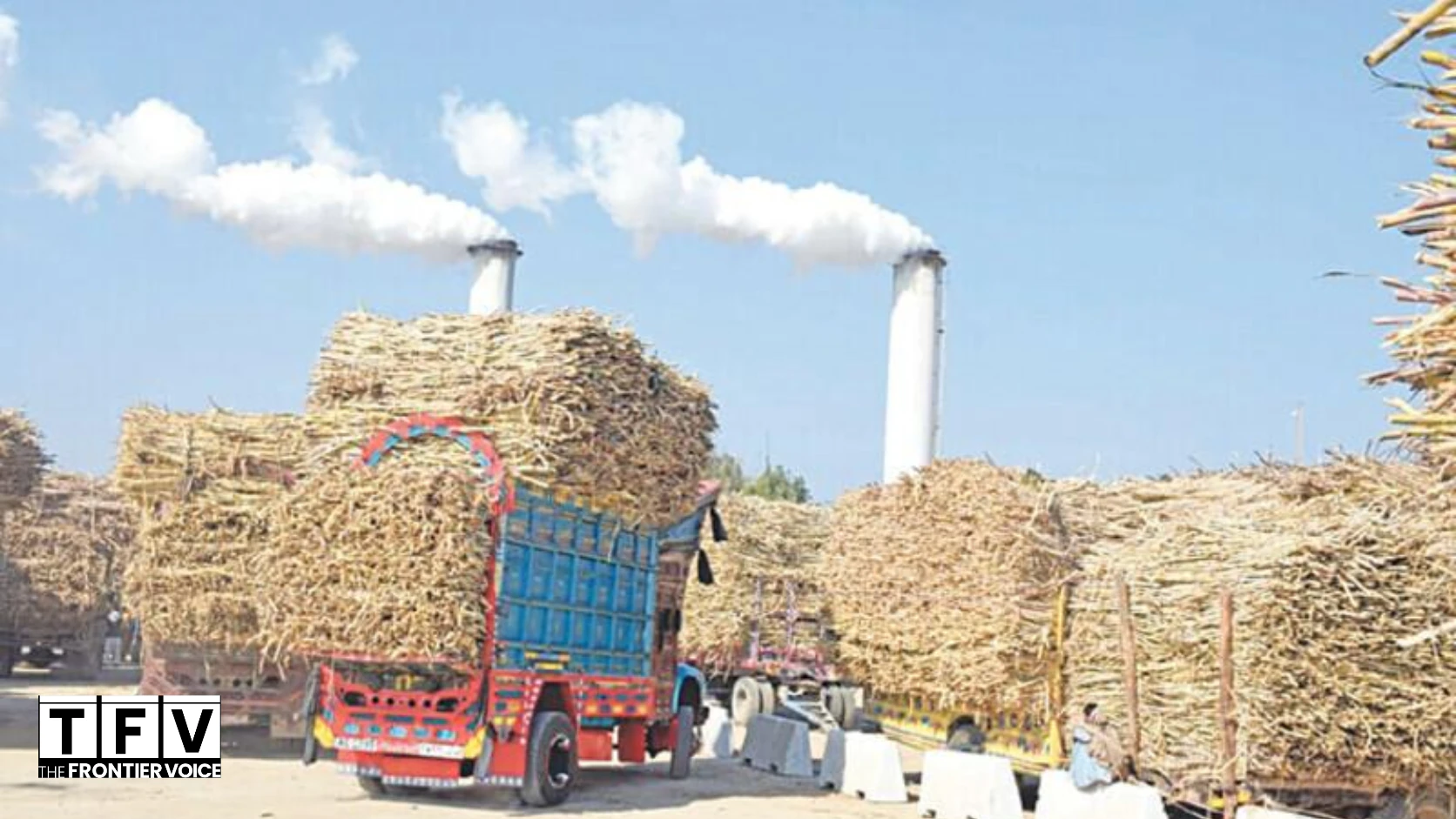
Pakistan has approved the export of another 416,000 metric tonnes of sugar, a decision that has renewed debate over domestic supplies, farmers' earnings and the possibility of future price increases.
The Economic Coordination Committee (ECC) approved the additional exports, bringing the total quantity permitted for export this season to around 724,000 tonnes, according to reporting by The Express Tribune. Other reports have described the total approved quantity differently, reflecting differences in how previous permissions are counted.
The government argues that surplus sugar stocks are available and that exports could help the sugar industry maintain liquidity and ensure farmers receive payments for their sugarcane. Officials have also expressed concern that mills may struggle to pay growers if surplus stocks remain unsold ahead of the new crushing season.
However, the decision has raised concerns among consumers. Previous sugar exports have been followed by price increases in the domestic market, leading to questions about whether large-scale shipments could affect local availability or retail prices.
Sugar remains an important commodity in Pakistan's agricultural and industrial economy. Decisions involving exports can influence growers, mill owners, traders, transporters and household budgets. The balance between supporting farmers and protecting consumers has therefore become a central issue in the country's sugar policy.
The export decision also comes amid broader discussions over the government's role in regulating the sugar industry and requirements linked to economic reforms.
The key question is whether the approved exports will genuinely help stabilise the market and support growers—or whether consumers could eventually face higher prices if domestic supplies tighten.
The impact will depend on stock levels, production estimates, export timing, market demand and the government's ability to monitor prices and availability.