
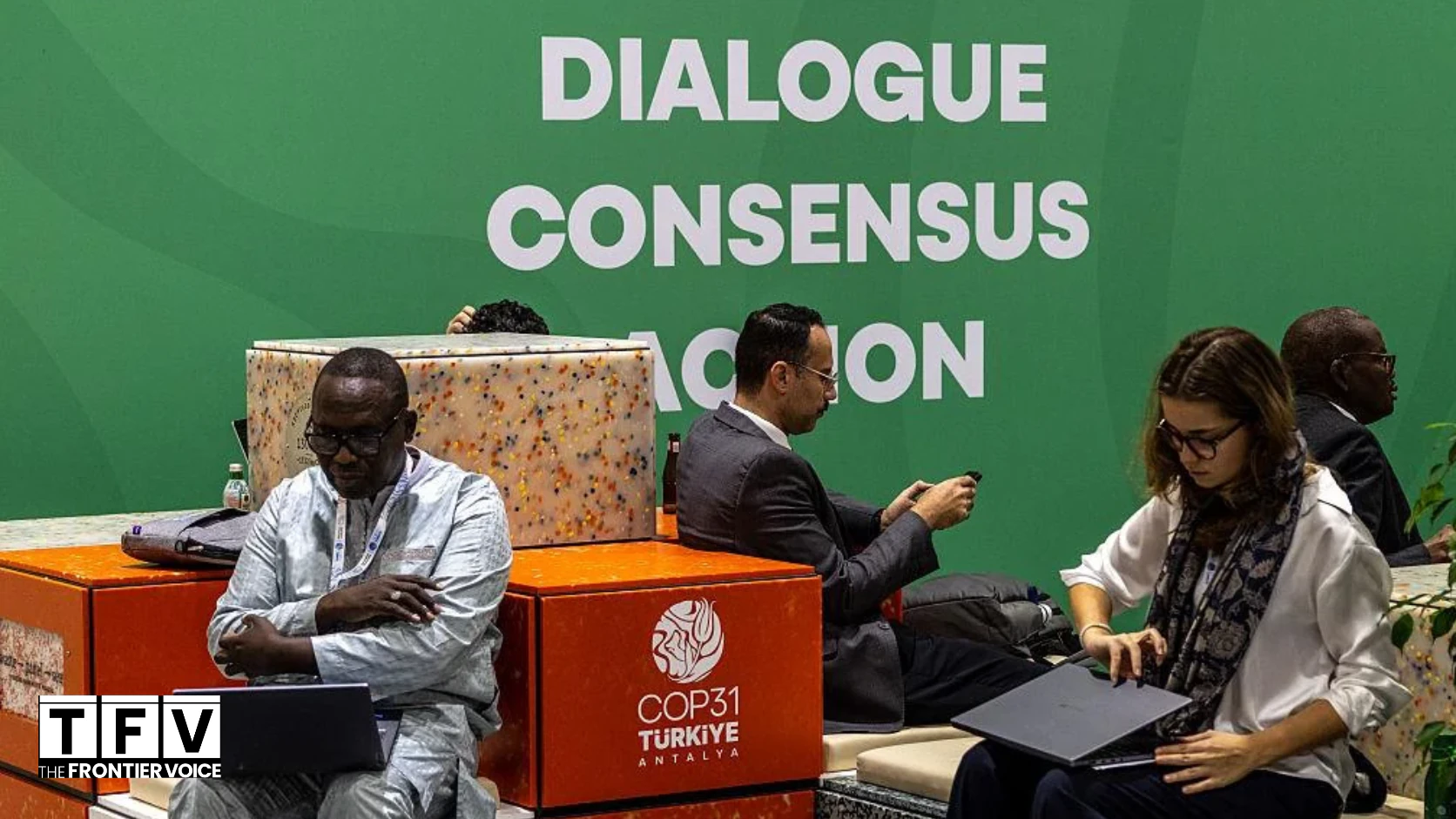
Climate negotiations at COP31 in Türkiye have extended beyond their scheduled conclusion as nearly 200 countries remain divided over a proposed global agreement on climate action.
One of the central disputes concerns the future of fossil fuels. Several countries are pushing for a stronger commitment to move away from oil, gas and coal, while other nations have resisted language that could directly affect their energy policies and economic interests.
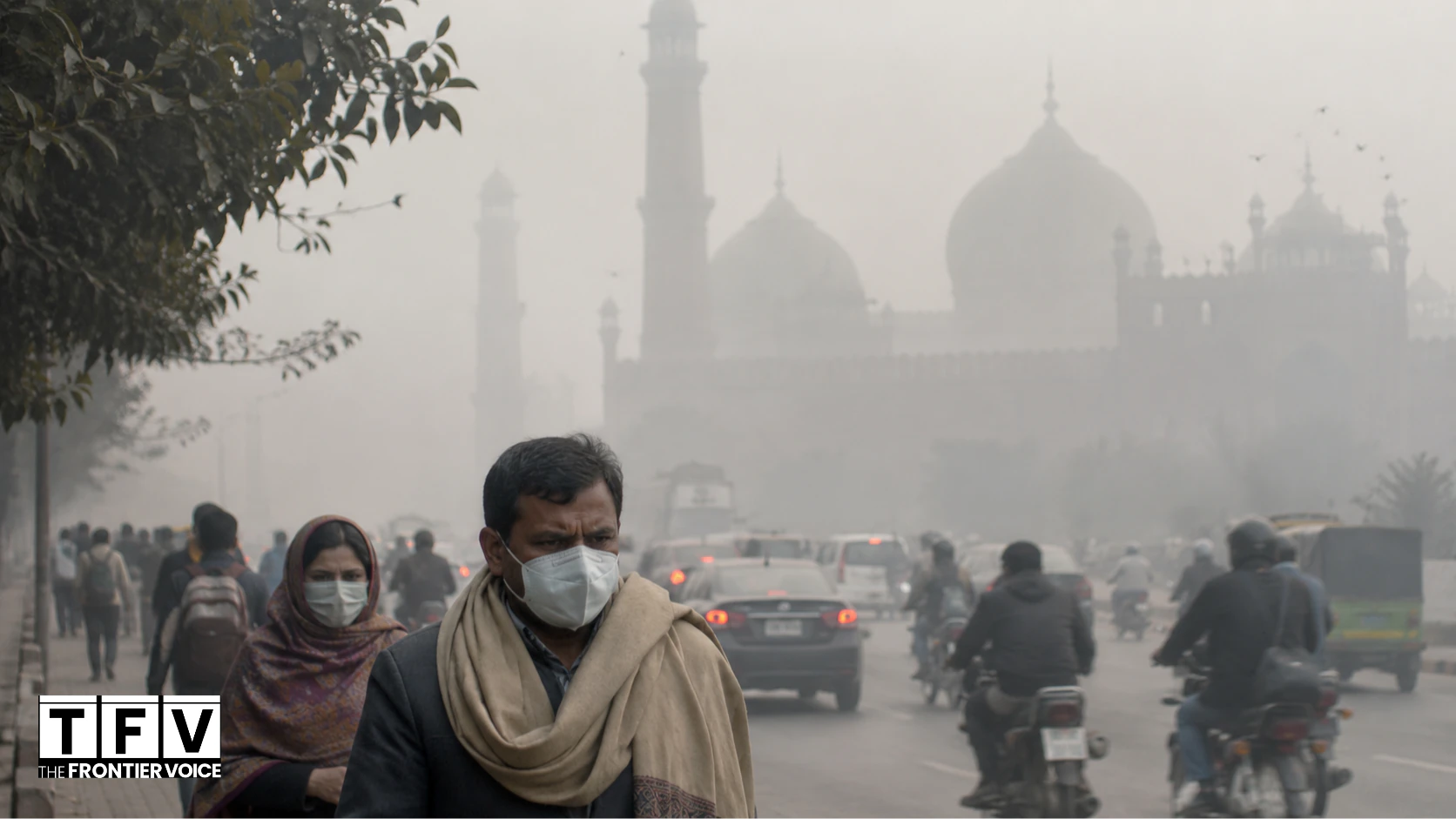
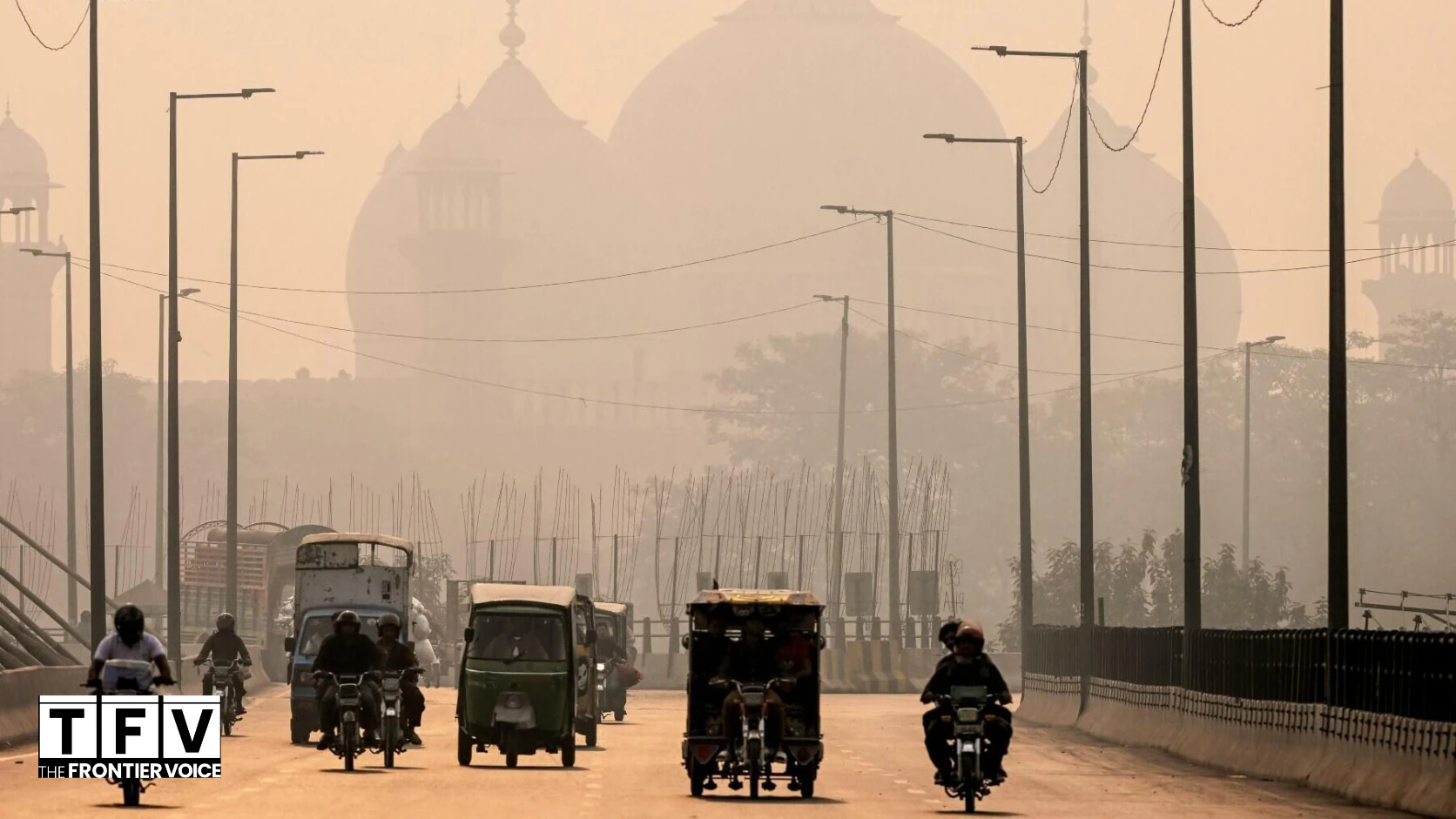
Fossil fuels remain a major part of global energy production, but their combustion releases greenhouse gases that contribute to global warming. Climate negotiators are increasingly under pressure to establish a clear pathway toward reducing emissions while ensuring that energy needs and economic development are not overlooked.
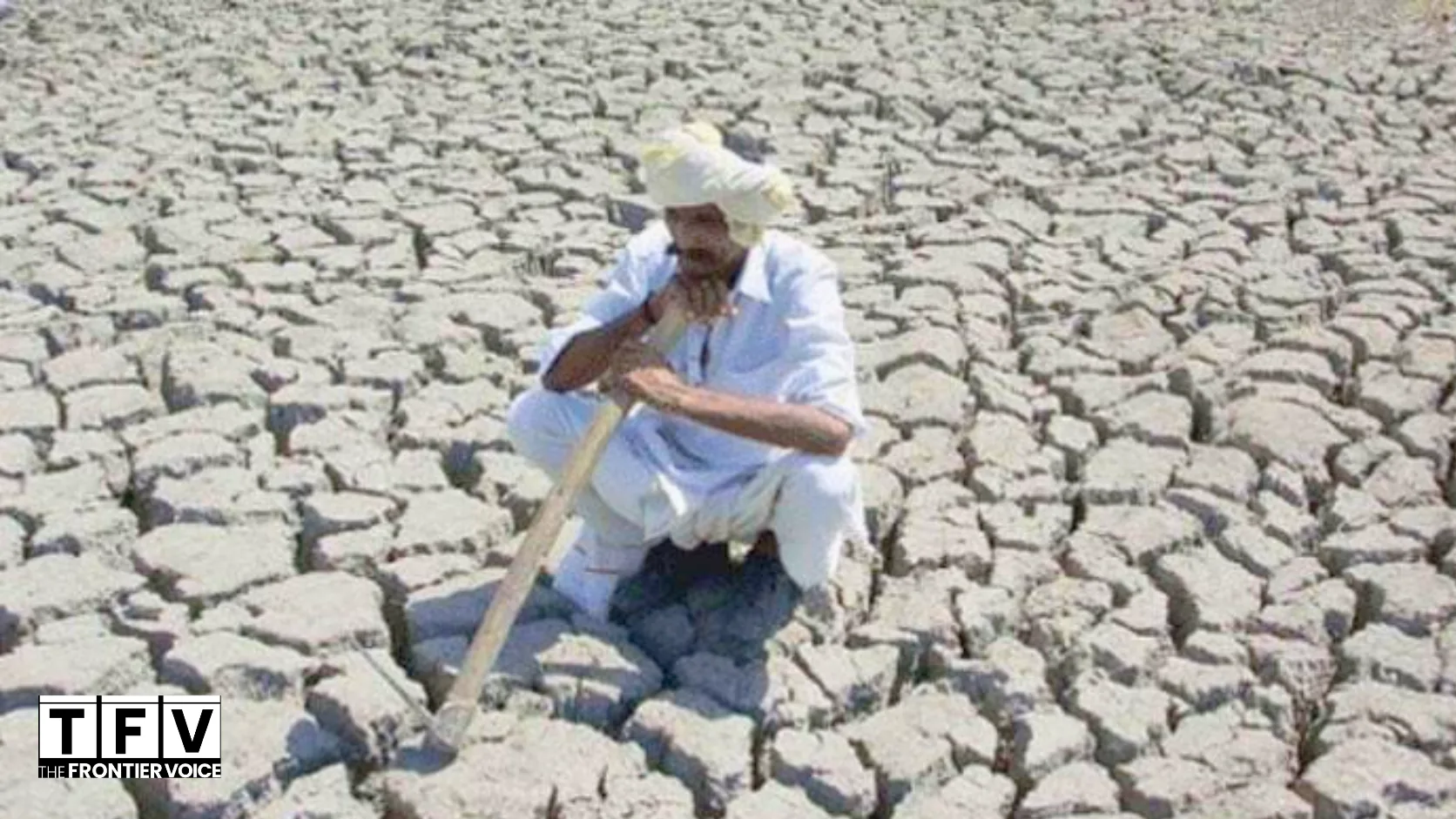
Climate finance has also emerged as a major point of disagreement. Developing countries argue that they need substantially more financial support to adapt to rising temperatures, floods, droughts, coastal risks and other climate-related impacts.
Many vulnerable countries say they contribute relatively little to global emissions but face disproportionately severe consequences. They are therefore demanding greater financial assistance, access to technology and stronger commitments from wealthier nations.
The negotiations have been complicated by competing economic priorities, political divisions and disagreements over the role of technologies such as carbon capture. Critics argue that these technologies should not be used as an excuse to delay reducing fossil-fuel consumption.
For Pakistan and other climate-vulnerable countries, the outcome could have important implications for adaptation funding, disaster resilience, agriculture, water management and future infrastructure investment.
The talks underline the difficulty of achieving international climate agreements when countries have different economic priorities and energy strategies.
The central question remains whether governments can agree on meaningful commitments—or whether the gap between climate ambition and political action will continue to widen.