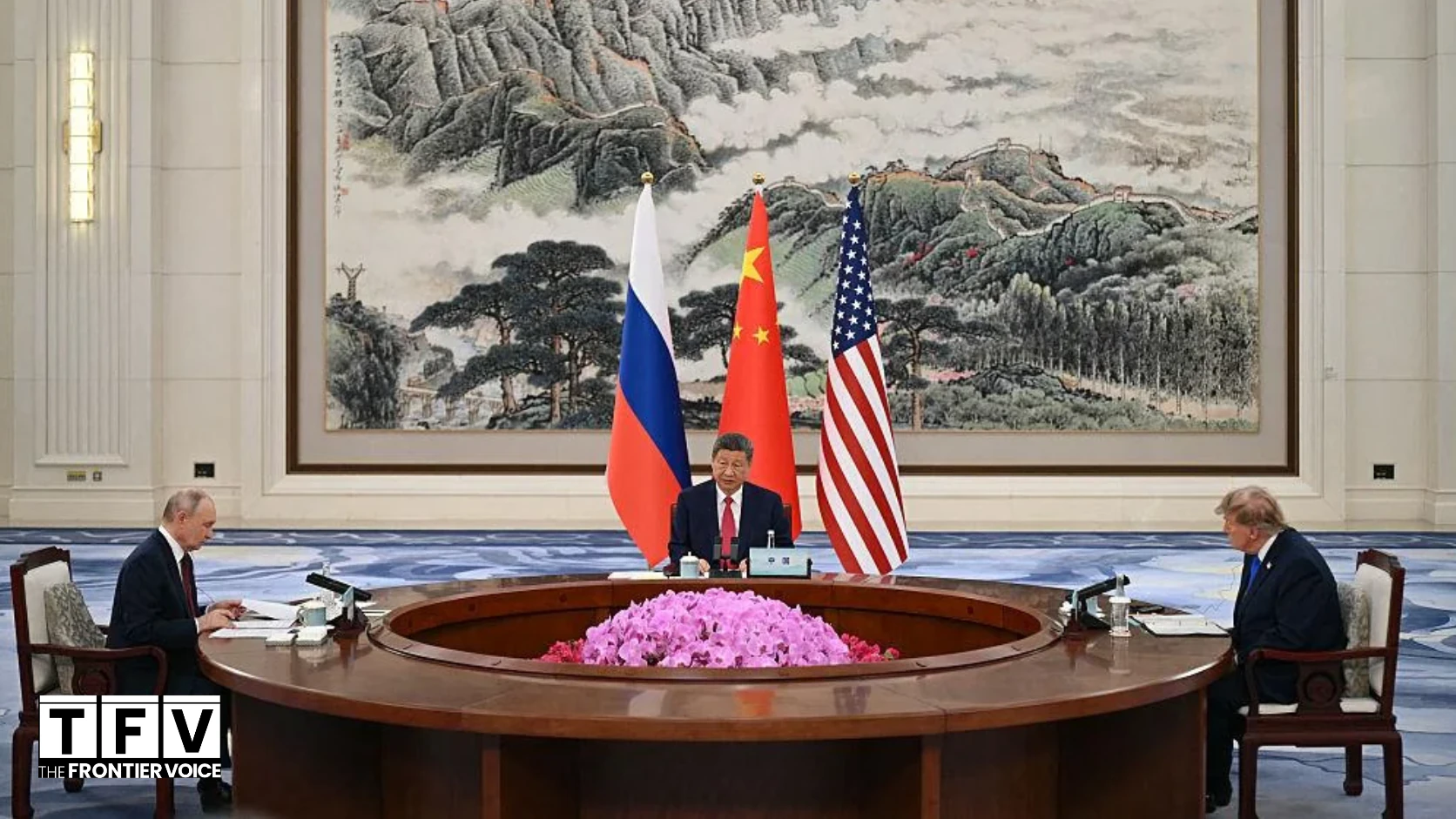

US President Donald Trump has warned technology companies that they could face significant taxes if they build artificial intelligence data centres outside the United States, signalling a push to keep AI infrastructure investment and related jobs within the country.
In remarks reported on November 20, Trump said American technology firms should be encouraged to construct data centres domestically rather than expanding their AI infrastructure overseas. He warned that companies choosing foreign locations could face what he described as a “tremendous tax.”
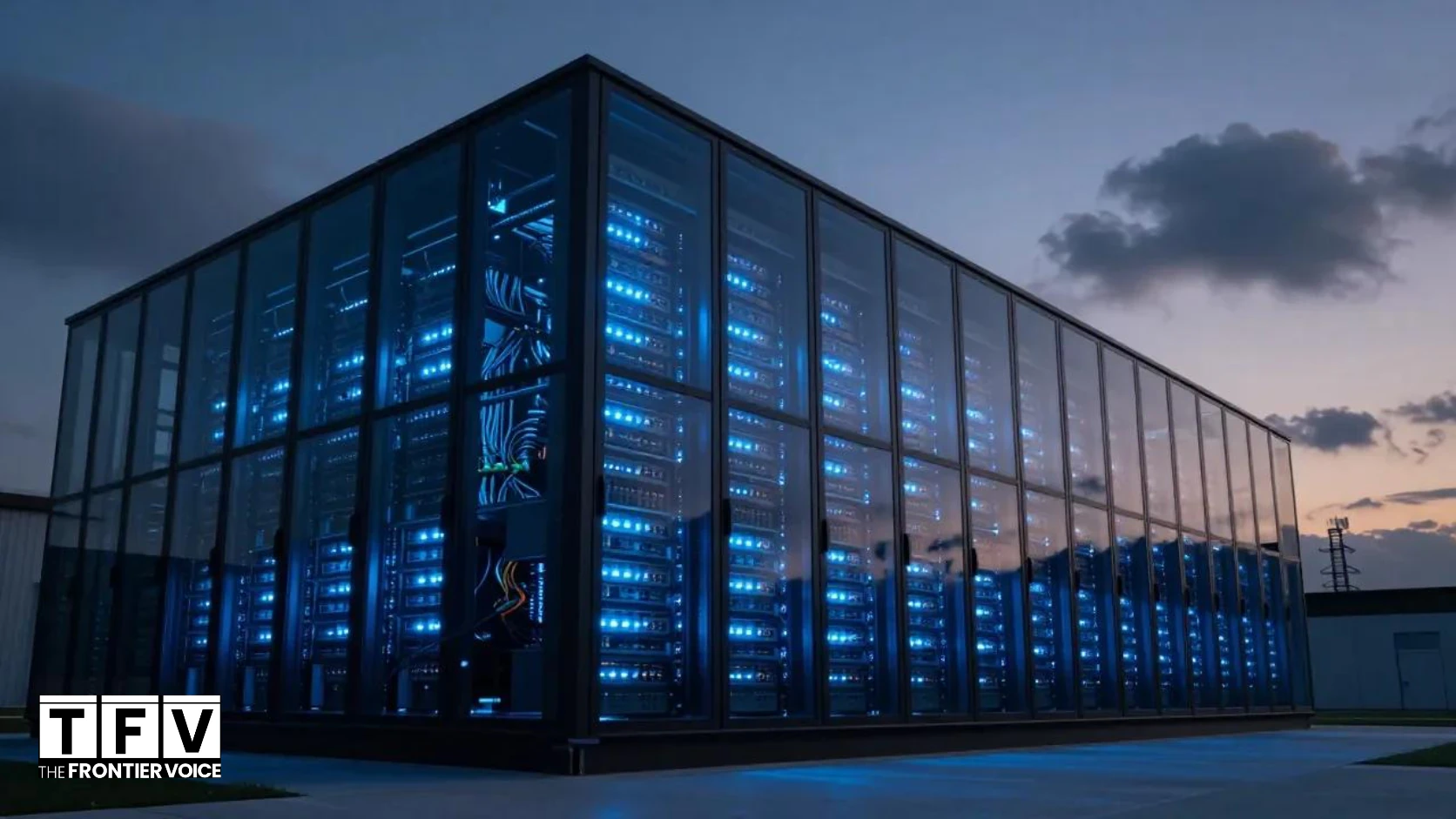
The announcement comes as demand for AI computing infrastructure is growing rapidly. Large-scale artificial intelligence systems require powerful servers, specialised chips, massive electricity supplies, cooling infrastructure and extensive data-processing capacity.
Data centres have become increasingly important to the global technology economy. Governments are competing to attract investment in these facilities because they can bring construction activity, technology jobs, infrastructure development and long-term economic opportunities.
Trump's warning appears aimed at influencing corporate investment decisions and strengthening the US position in the global AI race. However, a tax threat could also create uncertainty for companies whose infrastructure plans depend on international markets, electricity costs, land availability and access to specialised resources.
The policy raises broader questions about how governments will compete for AI infrastructure. Countries with reliable energy supplies, supportive regulations and lower operating costs could become attractive destinations for data-centre developers, while others may attempt to protect domestic investment through taxes and incentives.
The AI race is increasingly about more than software and algorithms. It is also becoming a competition over energy, physical infrastructure, capital and strategic influence.
If the United States moves toward taxing overseas AI infrastructure investments, the decision could reshape how technology companies plan their global expansion—and how other countries respond to Washington's efforts to keep AI development closer to home.