

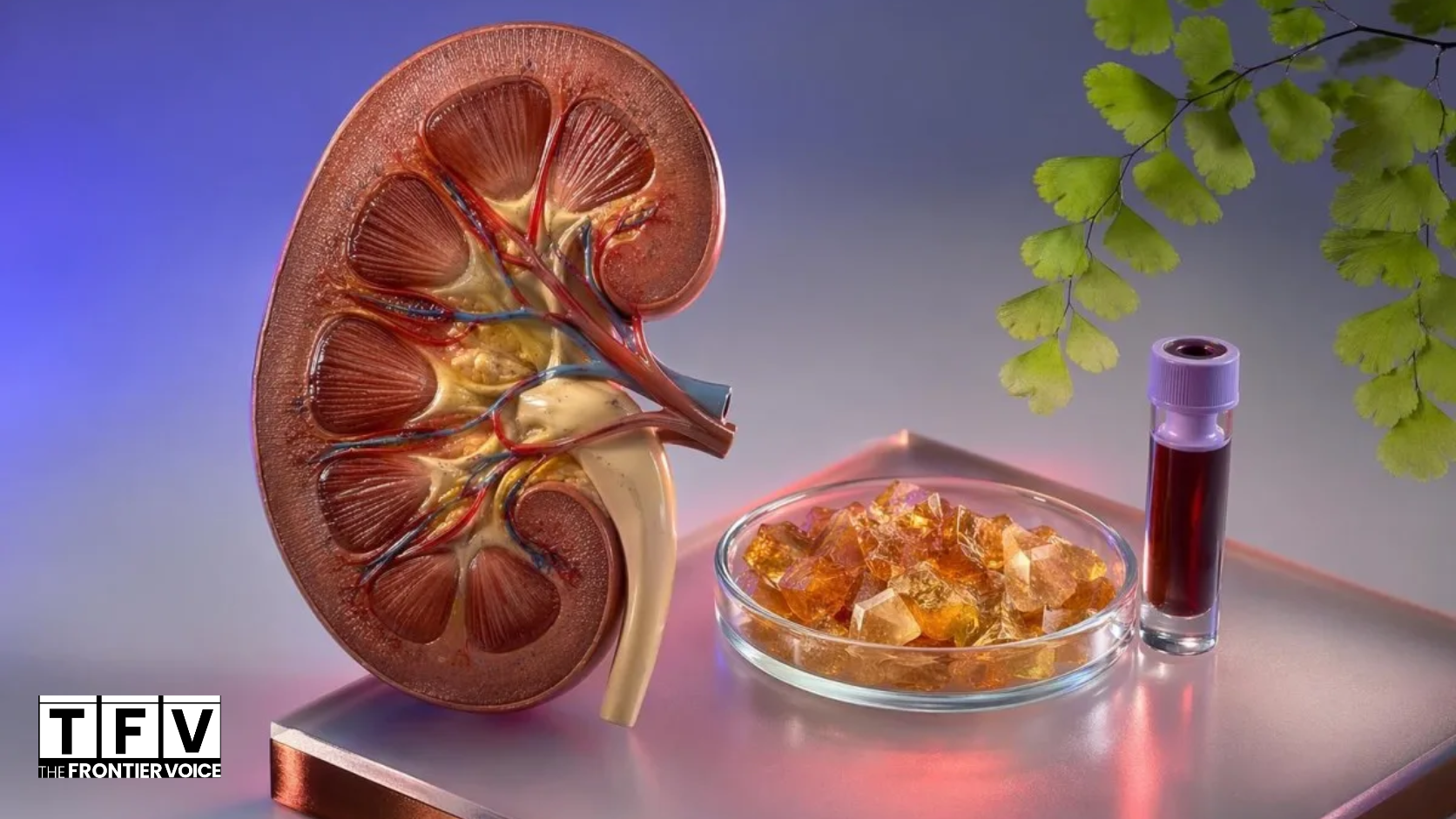
A healthy diet plays an important role in recovery after a kidney transplant and in protecting the newly transplanted organ. Proper nutrition can help the body heal after surgery, restore strength and reduce the risk of infections.
According to the supplied health information, patients are generally started on a liquid diet immediately after surgery, followed gradually by soft foods and then a regular diet. Maintaining the balance of fluids, minerals and energy is particularly important during this period.
Adequate Water and Energy
After discharge from hospital, maintaining adequate fluid intake is important. The supplied information mentions around two litres of water per day as a general guideline, although the appropriate amount depends on the patient's medical condition and the transplant team's instructions.
Excessive caffeine consumption should also be avoided. Whole grains such as wheat and barley can help provide energy, while rice and semolina may be suitable options for patients who initially have difficulty digesting heavier foods.
Patients should also limit excessive sugar intake, particularly if they are taking steroid medications.
Protein and Mineral Intake
Protein is important for rebuilding strength and supporting recovery after surgery. Foods such as lentils, cheese, eggs, fish and chicken can provide protein. Dairy products can also supply calcium, but their intake should be adjusted according to the patient's medical condition and test results.
Doctors may also monitor potassium and sodium levels in the blood. To reduce the risk of infection, patients are advised to avoid raw or potentially contaminated foods, including inadequately washed salads, fruits and uncooked sprouts.
Be Careful With Pomegranates and Grapefruit
Pomegranates and grapefruit may interact with certain immunosuppressive medicines. Patients should consult their doctors before including these fruits in their diet.
Long-Term Dietary Precautions
After the initial recovery period, maintaining a healthy weight becomes important. Some transplant medicines can increase appetite and contribute to weight gain.
A balanced diet containing fresh vegetables and fruits is recommended, while packaged foods, soft drinks and heavily processed products should be limited.
Foods containing calcium and phosphorus can support bone health, but their quantities should be determined according to medical tests and professional advice.
Regular medical check-ups, guidance from a qualified dietitian, light exercise, avoiding smoking and managing stress are also important parts of long-term transplant care.