
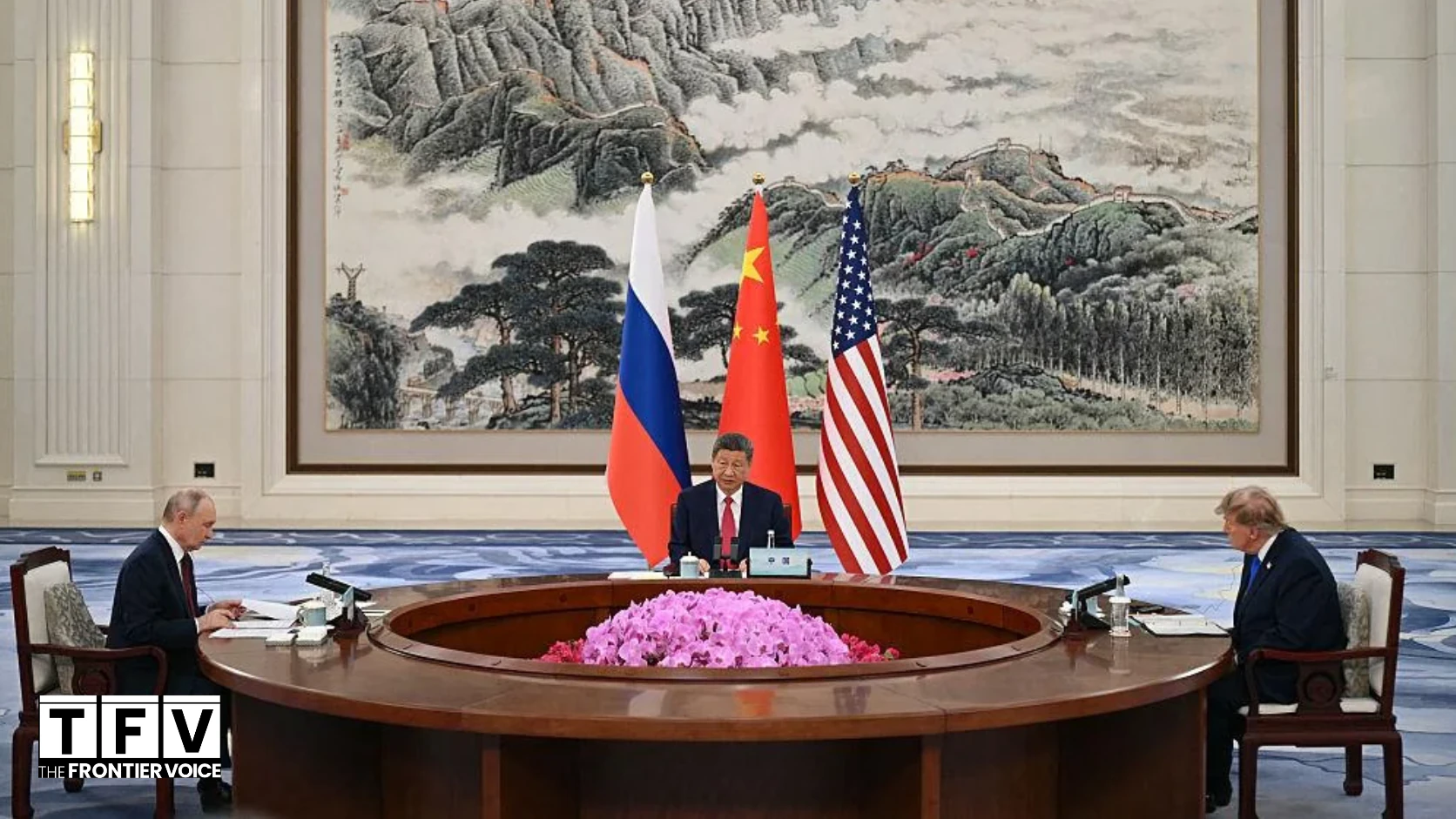
U.S. President Donald Trump, Chinese President Xi Jinping, and Russian President Vladimir Putin have held an unprecedented trilateral summit in Shenzhen, China, marking a historic diplomatic moment involving three of the world's most powerful nations.
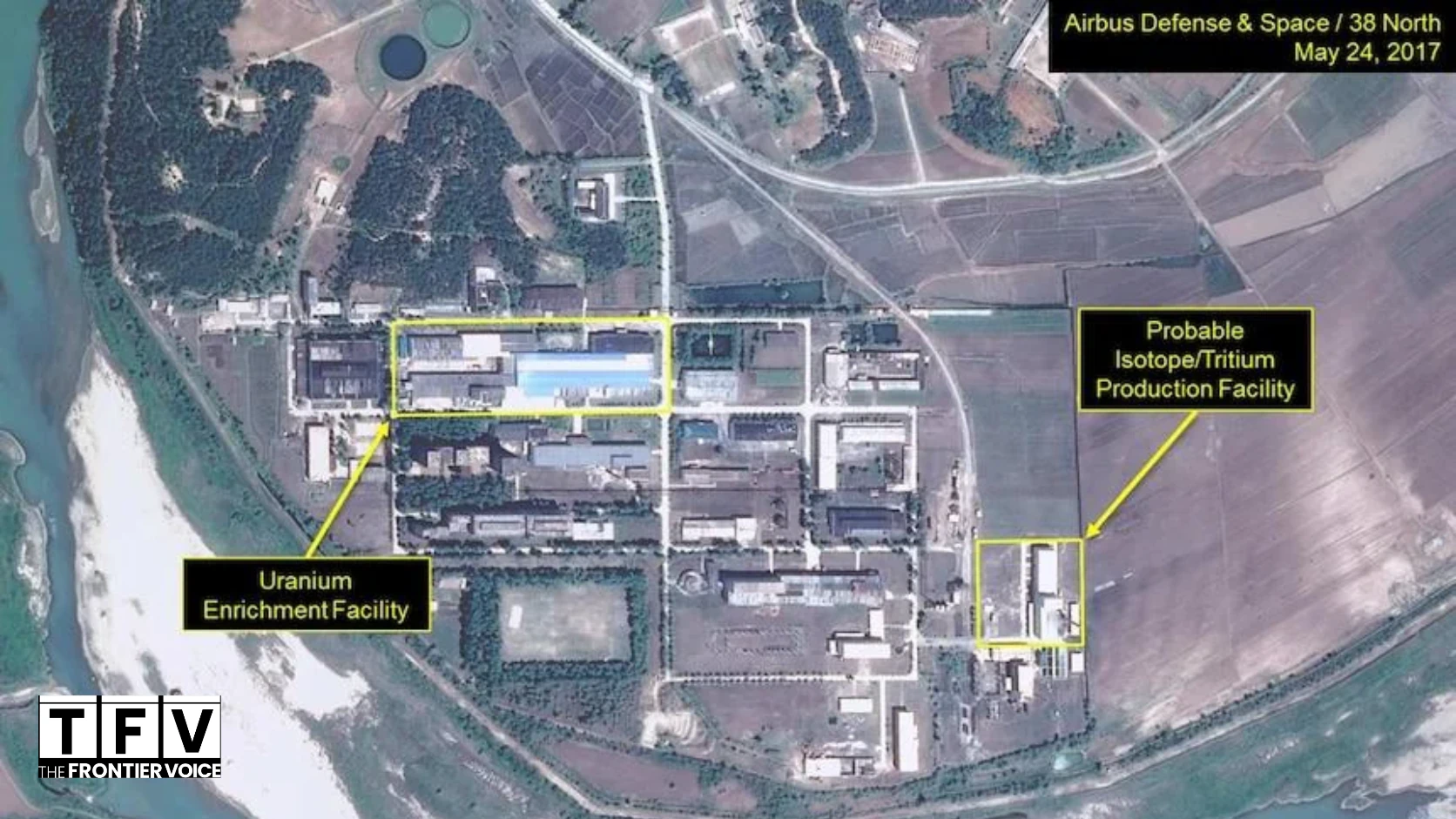
The meeting focused on global peace, international security, regional conflicts, economic cooperation, and relations among major powers. The leaders also discussed key international issues, including the war in Ukraine, the Middle East situation, nuclear proliferation, and tensions on the Korean Peninsula.
During the summit, the leaders emphasized dialogue, cooperation, peaceful coexistence, and the importance of avoiding confrontation between major powers. They also highlighted the need to strengthen economic ties, maintain global energy security, and prevent nuclear risks.
However, the meeting comes at a time when the world continues to face major geopolitical challenges, including ongoing wars, trade tensions, military rivalries, and growing divisions between global powers.
The summit has raised important questions about whether cooperation between Washington, Moscow, and Beijing could help reduce international tensions and open new diplomatic avenues for resolving global conflicts—or whether it will remain largely a symbolic diplomatic gathering.
The real significance of this historic meeting will depend on whether the commitments made at the table translate into practical actions, meaningful negotiations, and lasting progress toward global peace.