
Two mysterious clay figurines dating back approximately 7,000 years have renewed interest in the beliefs and artistic traditions of one of Europe's ancient prehistoric cultures.
Known as the Thinkers of Cernavodă, the figurines were discovered in 1956 during archaeological excavations at a prehistoric cemetery in southeastern Romania.
The objects were created by members of the Hamangia culture, which existed between approximately 5200 and 4500 BC.
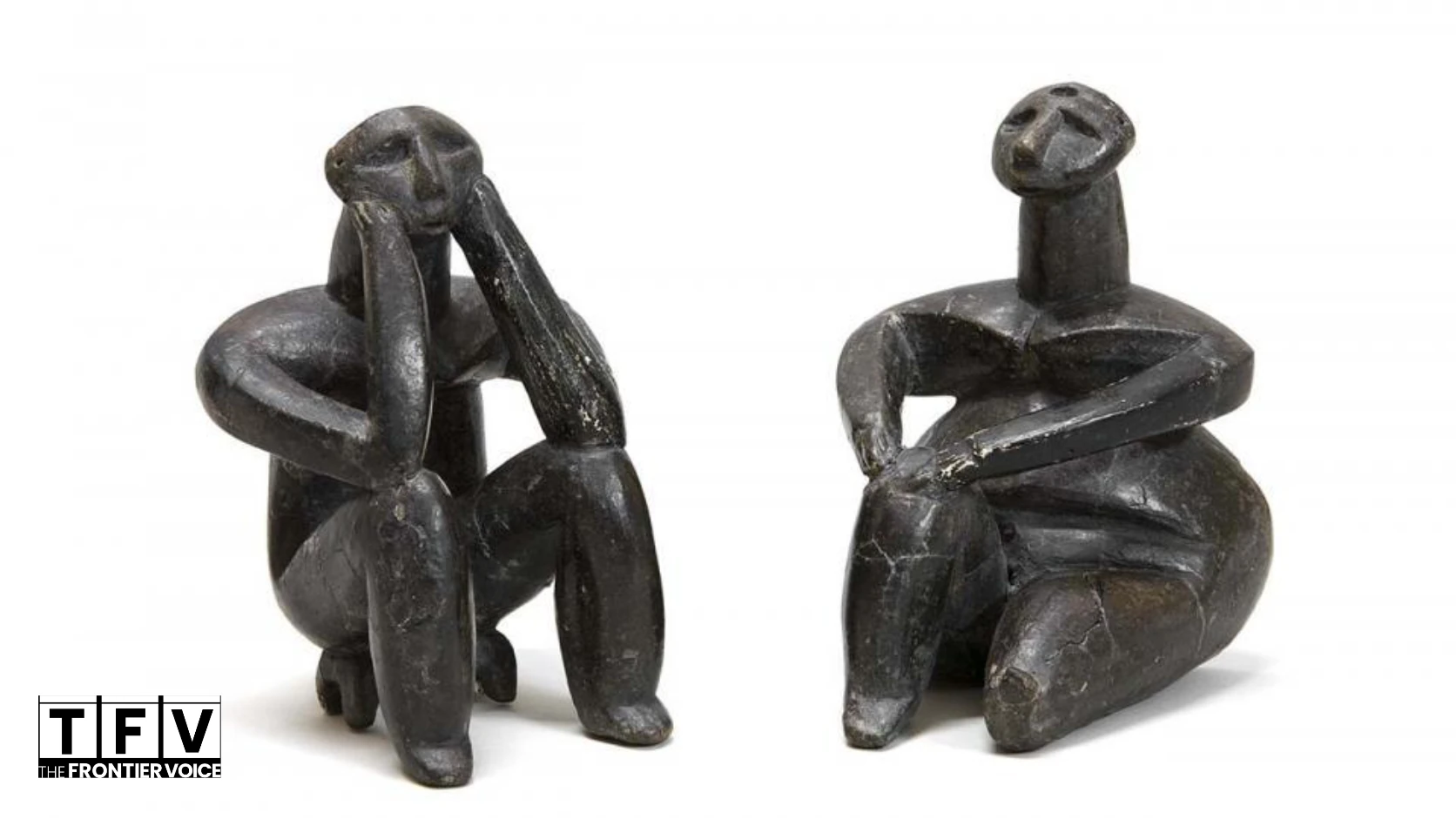
Both figurines are made from fired clay and measure around 11.5 centimetres in height.
The first figurine, known as The Thinker, depicts a seated human figure leaning forward, with elbows resting on the knees and the head supported by both hands.
Its contemplative pose resembles the famous sculpture The Thinker by French artist Auguste Rodin, although the Romanian figurine is thousands of years older.
The second object, known as The Seated Woman, portrays a seated female figure with a distinctive curved neck and prominent body features.
Archaeologists consider the pair unusual because most of the other human figurines discovered at the cemetery were depicted standing rather than sitting.
Their original purpose remains uncertain.
The archaeologist Dumitru Berciu, who led the excavation, suggested that the objects may have had magical or religious significance. He also considered a possible connection with ancient beliefs about the Sun.
The National Museum of Romanian History has proposed other interpretations. The two figures may represent complementary masculine and feminine principles, a prehistoric family unit or mourners associated with the burial.
The Hamangia people lived in communities extending from the Danube River towards the Black Sea. They were known for livestock farming, pottery and the production of human-shaped figurines.
Today, the objects are preserved at Romania's National Museum of Romanian History and remain among the country's notable prehistoric cultural artefacts.
Despite decades of research, the exact meaning of the two figures remains unknown, making them an intriguing reminder of how much of humanity's distant past is still unexplained.