
Nvidia reported a sharp increase in quarterly revenue as demand for artificial intelligence infrastructure continued to drive growth, but the chipmaker's leadership transition has added uncertainty to its otherwise strong financial performance.
The company reported revenue of $115.84 billion, roughly double the level recorded during the same period a year earlier, according to its latest earnings announcement. The results reflect continued demand for advanced processors used to train and operate artificial intelligence systems in large data centres.
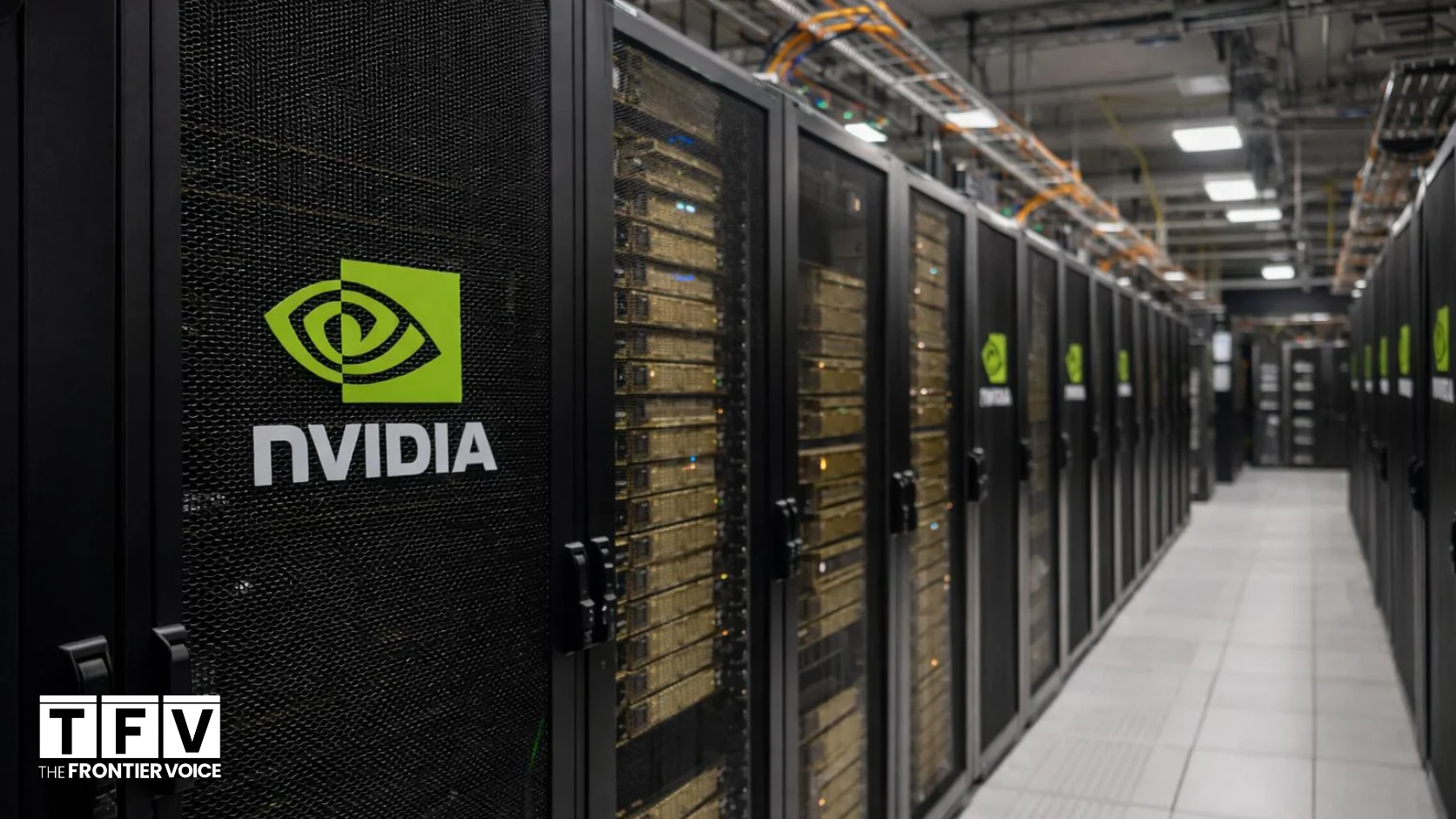
Nvidia has become one of the central suppliers to the global AI industry, with its graphics processing units powering major cloud platforms, research laboratories and AI services. Companies investing in generative AI have increased spending on computing infrastructure, helping fuel the chipmaker's expansion.
However, its latest earnings report has also drawn attention to corporate leadership. Nvidia's board chairman said the company does not intend to reinstate former chief executive Jensen Huang, despite Huang expressing willingness to return if the board asked him.
The leadership issue comes as investors closely examine the long-term sustainability of AI-related spending. Nvidia's strong revenue growth has reinforced confidence in the sector, but analysts and investors continue to debate valuations, future demand, competition and the scale of capital required to build AI infrastructure.
The company now faces the challenge of maintaining its growth trajectory while navigating a leadership transition and a rapidly evolving technology market.
The results demonstrate the continuing strength of AI-related demand, but they also highlight that market leadership depends on more than record sales. Investors will be watching future product launches, management decisions, competitive pressure and whether spending on AI infrastructure continues at its current pace.