
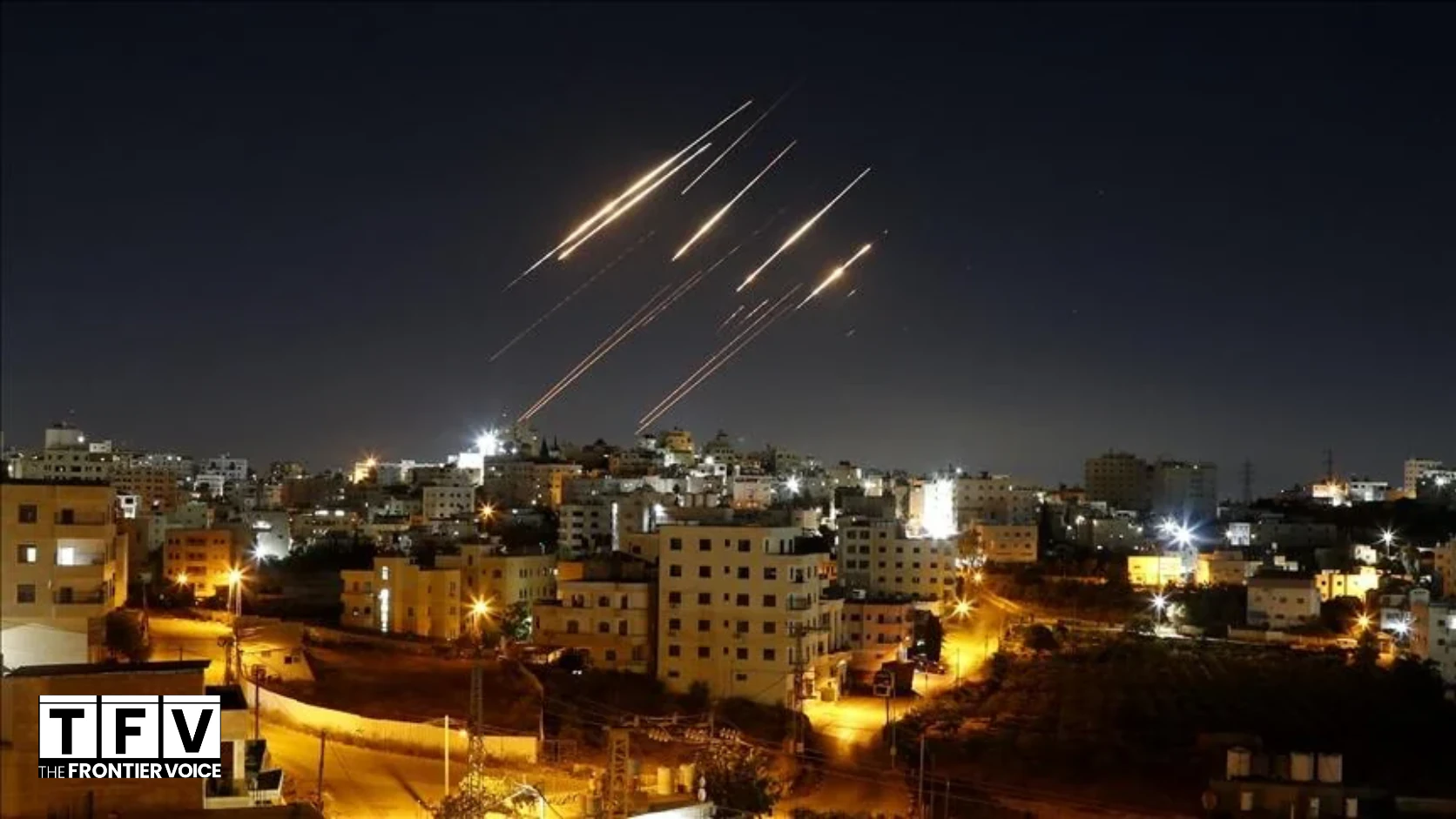
The Middle East conflict entered another dangerous phase on Wednesday after Iran expanded attacks toward Gulf states, targeting facilities connected to US military operations in Kuwait and Bahrain, amid an intensifying exchange of strikes.
The latest developments followed a US strike on an Iranian missile-launching site on Qeshm Island near the Strait of Hormuz. Iran subsequently targeted Kuwait’s Ali Al Salem air base and launched attacks toward Bahrain, where authorities said air defences intercepted incoming threats. Officials have not immediately confirmed significant casualties or damage from the latest interceptions.
The escalation raises concerns beyond the military front. The Strait of Hormuz is one of the world's most strategically important shipping corridors, carrying a substantial share of global energy shipments. Any sustained disruption could affect oil prices, shipping insurance, transportation costs and economies that rely heavily on imported energy.
Saudi Arabia has also reported intercepting missiles linked to Houthi attacks, adding another layer of regional instability. The developments are unfolding as diplomatic efforts struggle to contain the conflict and prevent further attacks on military installations and commercial shipping.
Analysts warn that the increasing number of countries and facilities involved could make de-escalation more difficult. Even limited strikes carry the risk of miscalculation, particularly when several militaries operate in close proximity and retaliatory decisions are made rapidly.
For global markets, the immediate concern is whether the violence will disrupt energy supplies for a prolonged period. For regional populations, the bigger question is whether the conflict will expand into a broader confrontation involving additional countries.