
ISLAMABAD: Punjab is facing an increasingly serious water challenge, with a United Nations agency warning that the province's demand for water already exceeds available supplies across major sectors.
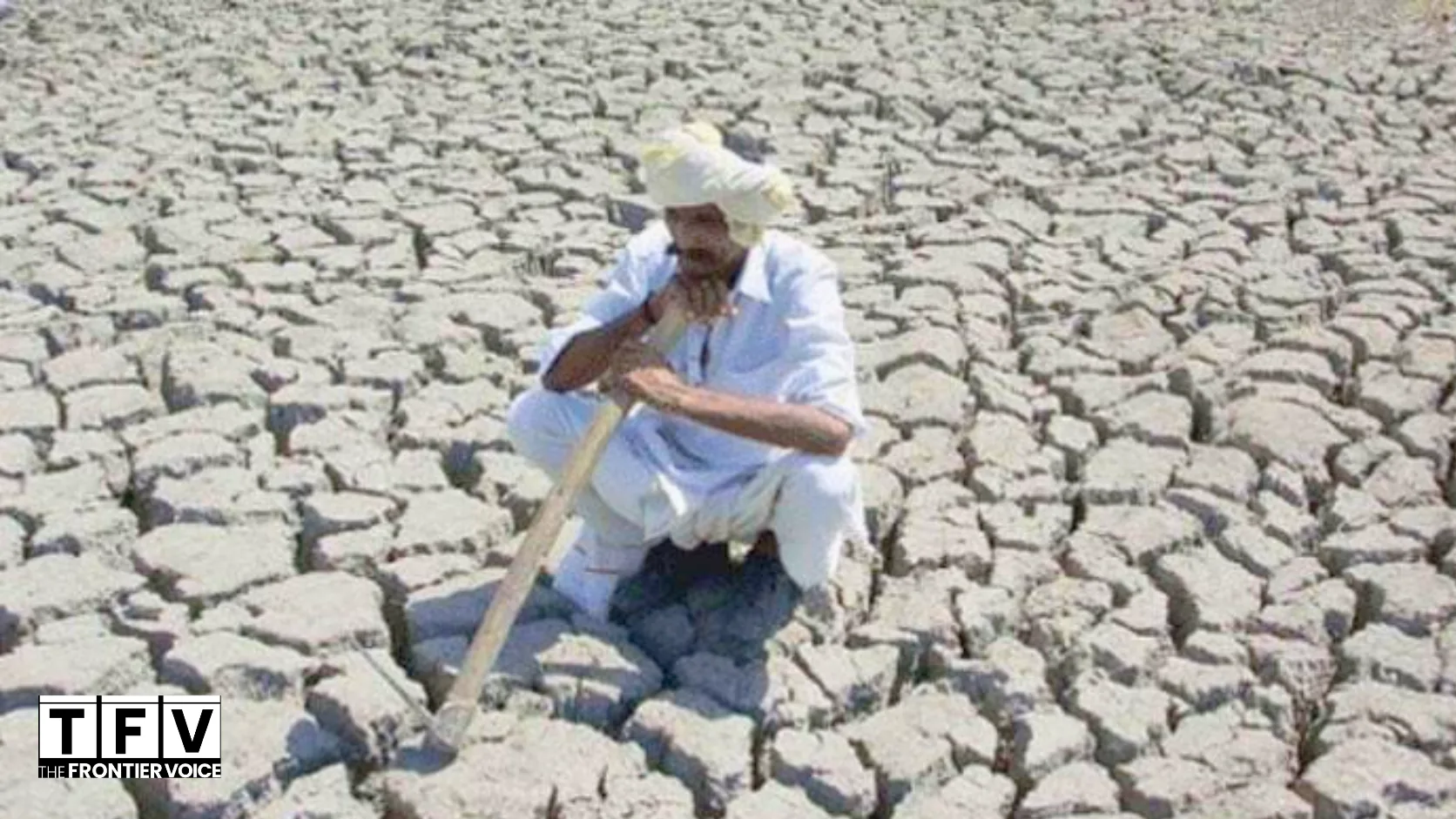
A detailed assessment by the Food and Agriculture Organization (FAO) estimates that groundwater depletion in Punjab has reached approximately 5.5 billion cubic metres annually over the five-year period examined in its assessment.
The findings are included in a report titled Water and Land Accounting in Punjab, which analysed water accounts covering five water years between 2012 and 2017.
The report estimates that Punjab requires an additional 10 billion cubic metres of usable water every year to bridge the gap between demand and supply and maintain its groundwater reserves.
The warning is significant because Punjab is Pakistan's main agricultural province. Its farming economy depends heavily on irrigation supplied through canals and groundwater extraction. Continued depletion could threaten crop production, farmers' incomes and the country's wider food security.
The FAO assessment also identifies increasing pressure on surface water resources. It notes that freshwater shortages have contributed to greater reliance on recycled, lower-quality water, while pollution from agricultural chemicals and urban wastewater has added to the challenge.
Groundwater is particularly important for farmers who rely on tube wells when canal supplies are insufficient. If aquifers continue to decline, irrigation could become more expensive as wells require greater pumping effort and investment.
The report recommends a more integrated approach to water management. Suggested measures include increasing surface water availability, improving groundwater recharge, developing mechanisms for transferring water between seasons and strengthening provincial institutions responsible for water planning.
It also highlights shortcomings in data collection and information management. Without reliable records of water availability, consumption and transfers between sectors, authorities may struggle to develop effective policies.
The report points to declining river flows and shrinking freshwater resources as additional concerns. It also highlights the need to protect wetlands and natural landscapes that contribute to the province's ecological balance.
The implications extend beyond agriculture. Growing urban populations, industrial development and rising household consumption are increasing competition for limited water supplies.
For ordinary residents, the crisis could eventually mean greater pressure on drinking water, irrigation costs and food prices.
The FAO assessment makes clear that the issue requires long-term planning rather than temporary responses. Improving water efficiency, protecting aquifers and strengthening monitoring systems will be essential if Punjab is to maintain its agricultural productivity and meet future demand.