
Punjab has stepped up its campaign against crop-residue burning as winter smog returns to Lahore and other parts of the province. The government has established 67 rapid-response units staffed by 750 officers to tackle fires in agricultural fields.
According to Reuters, the teams are expected to reach reported fires within 10 to 15 minutes. Officials said they extinguished 650 of the 679 field fires reported in a single day.
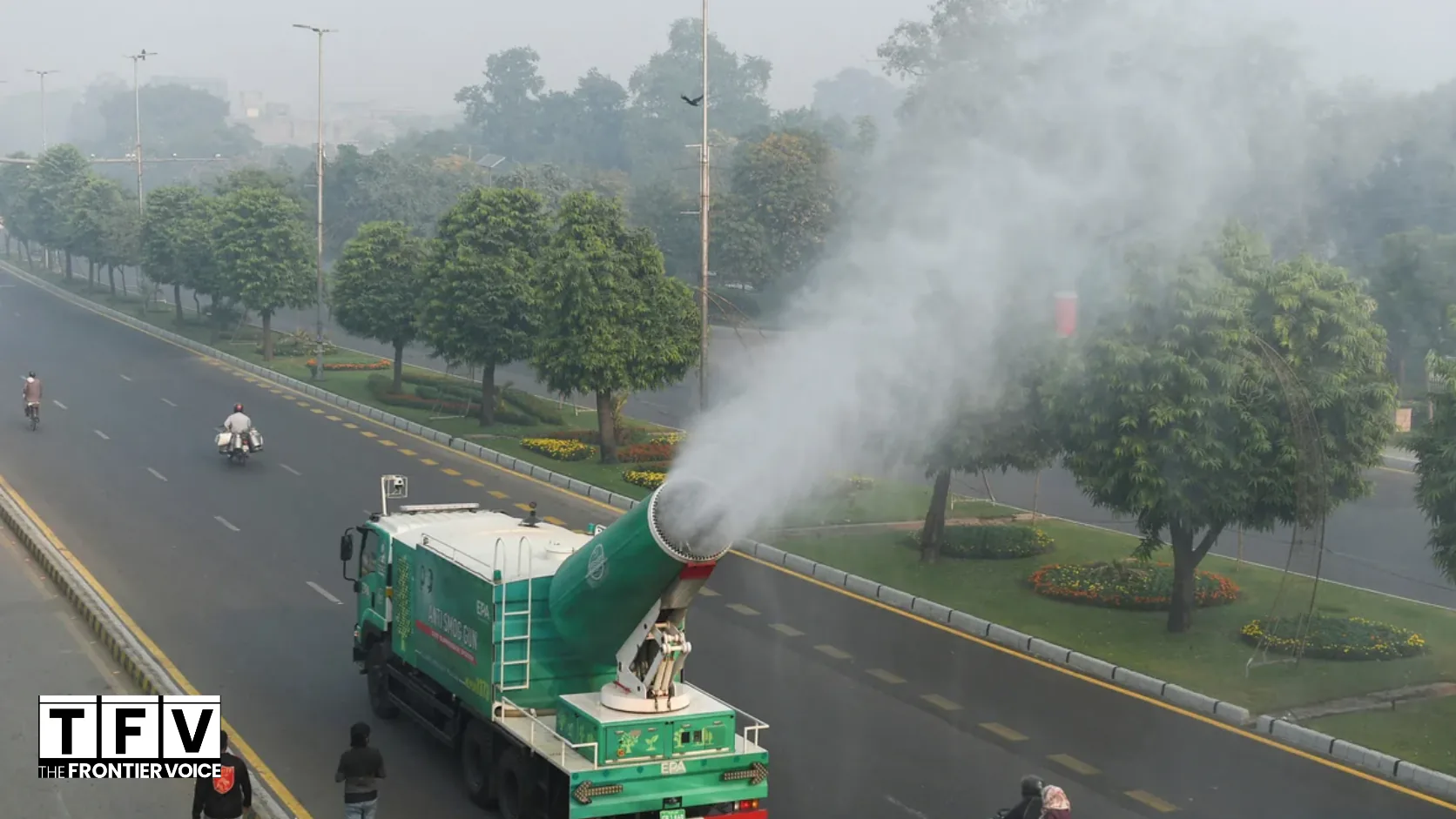
Burning leftover crop residue after the rice harvest is a major contributor to seasonal air pollution. Smoke from agricultural fires combines with industrial emissions, vehicle exhaust and construction dust, creating a hazardous mixture that can become trapped near the ground during colder weather.
The provincial government is also trying to persuade farmers to adopt alternatives. More than 10,000 super seeders are being subsidised to help clear crop residue without setting it alight. Some farmers say the machinery has improved wheat yields, but others continue burning stubble because they consider it the quickest and cheapest option.
Farmers caught burning residue can face fines of Rs15,000 per acre, prosecution and imprisonment of up to six months.
Authorities say satellite data indicate that the area affected by burning is below the historical average so far this year. They have also reported fewer smog-related throat hospitalisations compared with October last year.
However, residents and hospital patients continue to report breathing difficulties and eye irritation. The challenge is not limited to agricultural fires: transport, industry and construction also contribute to pollution.
The new response units represent a significant enforcement effort, but their long-term impact will depend on whether farmers can afford cleaner alternatives and whether pollution from other sources is reduced.