
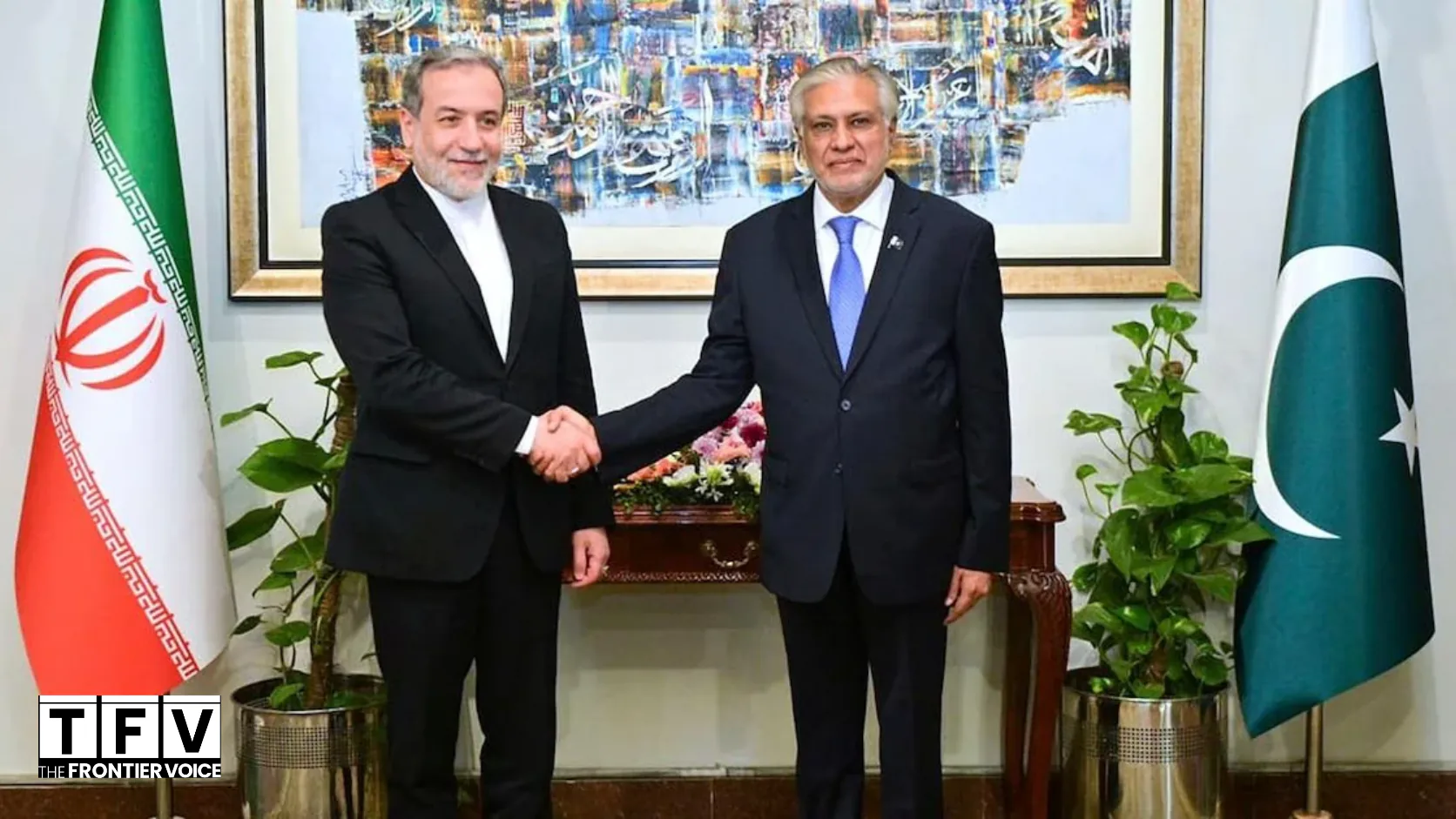
ISLAMABAD: Pakistan has reaffirmed its willingness to facilitate diplomatic engagement between the United States and Iran, as regional foreign ministers gathered in Islamabad for a meeting of the Economic Cooperation Organization (ECO) on Monday.
Foreign Minister Ishaq Dar said Pakistan would continue efforts to ease tensions between Washington and Tehran with the support of regional partners. His remarks came during a meeting attended by foreign ministers and senior diplomats from several Asian countries, including Iranian Foreign Minister Abbas Araghchi.
The 10-member ECO provides a regional platform for cooperation among countries seeking stronger economic, commercial and transport connections. Its members include Pakistan, Iran, Afghanistan, Türkiye and several Central Asian states.
Dar emphasised that peace and stability were essential for sustainable economic development. He warned that regional conflicts could disrupt trade, energy supplies, investment and infrastructure projects, affecting countries far beyond the immediate conflict zone.
The diplomatic initiative is particularly significant for Pakistan because tensions involving Iran and the United States have implications for energy markets and regional security. Any disruption to shipping through the Strait of Hormuz could affect international oil supplies and increase costs for energy-importing economies.
Pakistan has previously hosted direct US-Iran discussions and has called for diplomatic engagement to prevent further escalation. However, no agreement or breakthrough was announced at Monday's meeting.
Iranian Foreign Minister Abbas Araghchi also called for stronger regional cooperation and peaceful resolution of disputes. At the same time, he criticised the United States and Israel over what he described as insecurity in the Persian Gulf.
Relations between Pakistan and Afghanistan were another important subject. Dar said improved ties with Kabul depended on the Afghan Taliban authorities addressing the security concerns of neighbouring countries, particularly allegations involving militant groups.
No Afghan diplomat attended the meeting. Pakistan has repeatedly accused Afghanistan of allowing Pakistani militant groups to operate from its territory, an allegation rejected by the Afghan authorities. Border clashes and Pakistani airstrikes have further strained relations between the two neighbours.
For Pakistan, the diplomatic challenge is twofold: preventing regional tensions from damaging its economic interests while encouraging dialogue among neighbouring countries.
The Islamabad meeting demonstrates Pakistan's interest in playing a constructive regional role. Whether those diplomatic efforts produce meaningful progress will depend on the willingness of the parties involved to engage in sustained negotiations.