

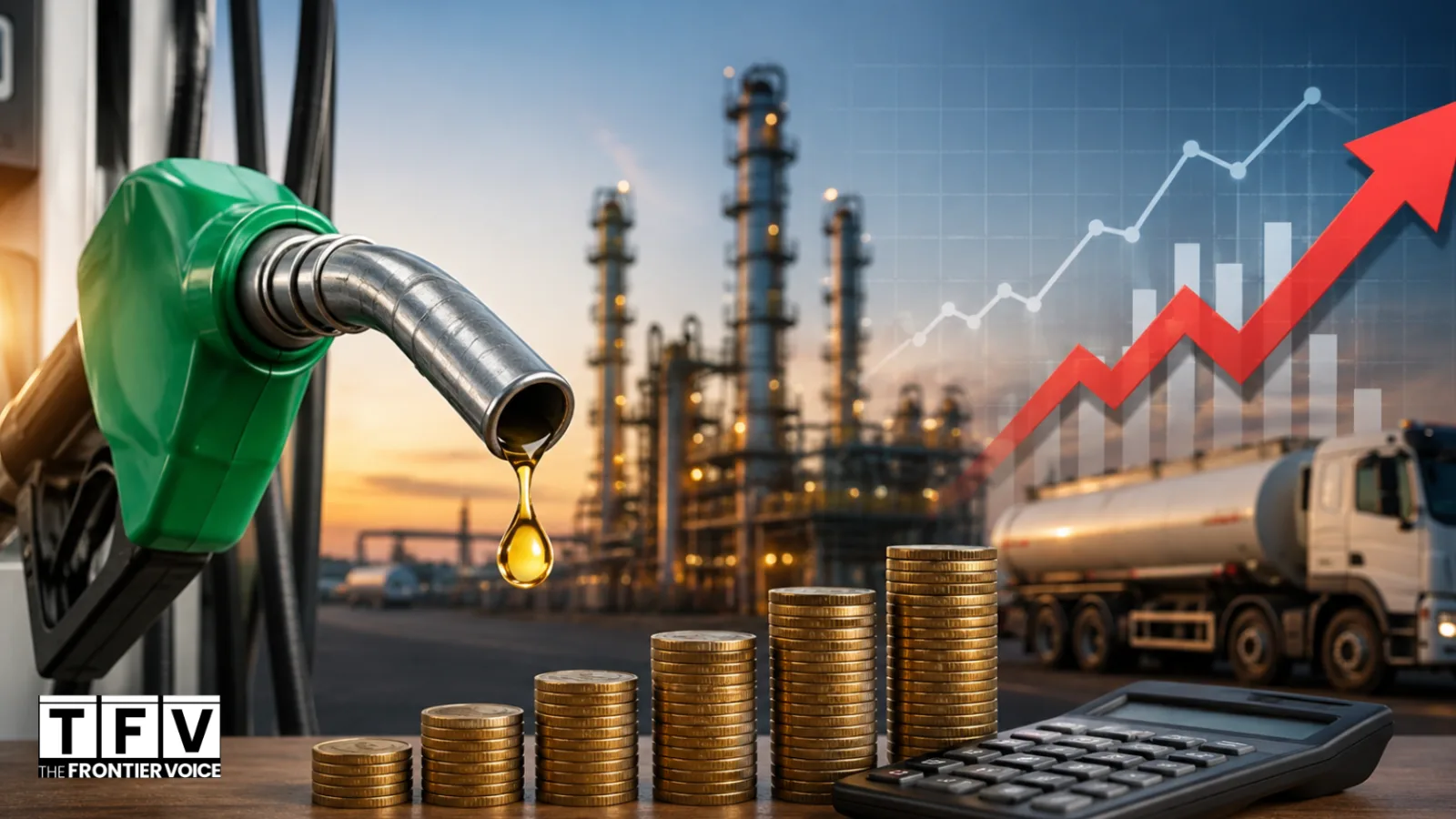
The federal government has set a target of Rs1.676 trillion, or Rs1,676 billion, in petroleum levy collections for fiscal year 2026-27, with the budget based on an average levy of Rs80 per litre on petrol and High-Speed Diesel (HSD).
Minister for Energy (Petroleum Division) Ali Pervaiz Malik disclosed the details in a written response submitted to the National Assembly.
Petroleum Levy Reaches Rs80 Per Litre
The government revised petroleum levy rates several times during July and August as it attempted to balance revenue requirements with the impact of global oil price fluctuations.
On July 1, the levy stood at Rs66.64 per litre on petrol and Rs79.54 on HSD. The rates were reduced on July 2 to Rs64.14 for petrol and Rs77.04 for HSD.
On July 4, the levy was revised again, reaching Rs70.36 per litre on petrol and Rs70.82 on HSD.
The levy on petrol reached the government's budget benchmark of Rs80 per litre on July 11.
The HSD levy was increased gradually and reached Rs78.28 per litre on August 14. By August 20, the government had raised the levy to Rs80 per litre on both petrol and HSD.
As a result, the petroleum levy on petrol increased by Rs13.36 per litre between July 1 and August 20.
Why Has the Government Set a Rs1.676 Trillion Target?
The petroleum levy target is part of the federal budget and is linked to the government's broader fiscal requirements and commitments to international financial institutions.
Petroleum levy is an important source of non-tax revenue for the government. Changes in the levy directly affect the amount collected from petroleum products sold in the domestic market.
The government had previously reduced the levy during periods of volatility in international oil markets to provide some relief to consumers. However, the levy has subsequently been restored in phases as the government seeks to meet its revenue targets.
Could the Petroleum Levy Be Reduced?
According to the energy minister, any decision to reduce the petroleum levy would depend on several factors, including fiscal space, revenue requirements, commitments to international financial institutions and global oil prices.
The government says it attempts to pass on the benefit of lower international petroleum prices to domestic consumers whenever fiscal conditions allow.
For consumers, however, the final price of petrol and diesel depends on more than the petroleum levy. International oil prices, exchange-rate movements, taxes and other charges also play a role.
With the government targeting Rs1.676 trillion in petroleum levy revenue during FY2026-27, future fuel prices are likely to remain closely linked to both global oil market conditions and the government's fiscal position.