
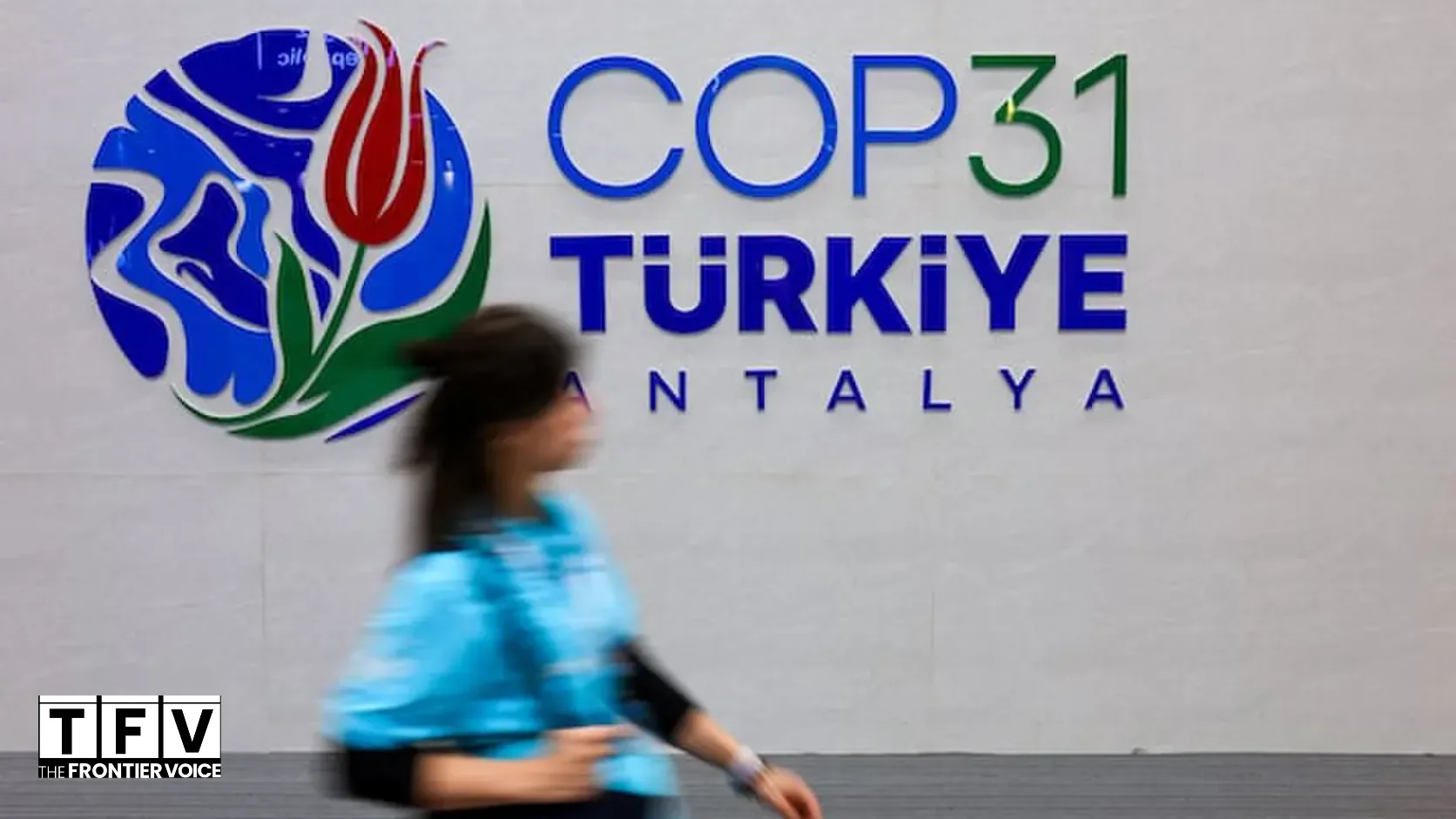
Countries attending the United Nations climate conference COP31 in Antalya, Türkiye, are discussing a major proposal to increase electricity's share of global energy consumption to 35% by 2035. The initiative, backed by Türkiye and Australia, aims to accelerate the shift towards electrification in transport, buildings and other sectors.
The proposed target would raise electricity's share of final energy consumption from around 21% to 35%. Supporters argue that expanding electric transport, improving building efficiency and strengthening power networks could help reduce greenhouse gas emissions while improving access to reliable energy.
However, the proposal has also raised questions about how the additional electricity will be generated. Environmental campaigners warn that increasing electricity use will not necessarily reduce emissions if countries continue relying heavily on coal, oil and gas to generate power.
Another concern involves the minerals needed to build the infrastructure behind the energy transition. Batteries, solar panels, wind turbines and electricity networks require large quantities of metals and minerals. Environmental and human rights organisations warn that poorly regulated mining could cause pollution, habitat destruction and harm to Indigenous communities.
The Associated Press reported that campaigners are calling for stronger environmental safeguards, human rights protections and greater investment in recycling. The International Energy Agency has estimated that recycling could reduce the need for new mining by 25–40% by 2050.
The debate illustrates a central challenge facing climate negotiations: the world must expand clean energy rapidly, but the materials and industrial processes required to achieve that transition must also be sustainable.