

The United States remains one of the world's most sought-after destinations for employment, offering competitive salaries, career growth, and opportunities to earn in U.S. dollars. However, immigration experts emphasize that securing a job offer alone is not enough. Applicants must also meet U.S. immigration requirements, qualify for the appropriate work visa, and complete all legal procedures.
U.S. work visas are broadly divided into two categories: temporary work visas and permanent employment visas. Temporary visas allow individuals to work in the U.S. for a limited period, while permanent employment visas can eventually lead to lawful permanent residency and a Green Card.
There are several categories of temporary work visas. The H-1B visa is designed for professionals in specialty occupations, while H-2A is intended for temporary agricultural workers and H-2B for seasonal non-agricultural workers. The L visa is available for employees transferred within multinational companies, the O visa is reserved for individuals with extraordinary abilities, the P visa covers athletes and entertainers, and the Q-1 visa supports participants in international cultural exchange programs.
For most work visa categories, sponsorship by a U.S. employer is mandatory. The employer must first file a petition with U.S. Citizenship and Immigration Services (USCIS). Only after the petition is approved can the applicant proceed with the visa application. Some visa categories also require labor certification from the U.S. Department of Labor.
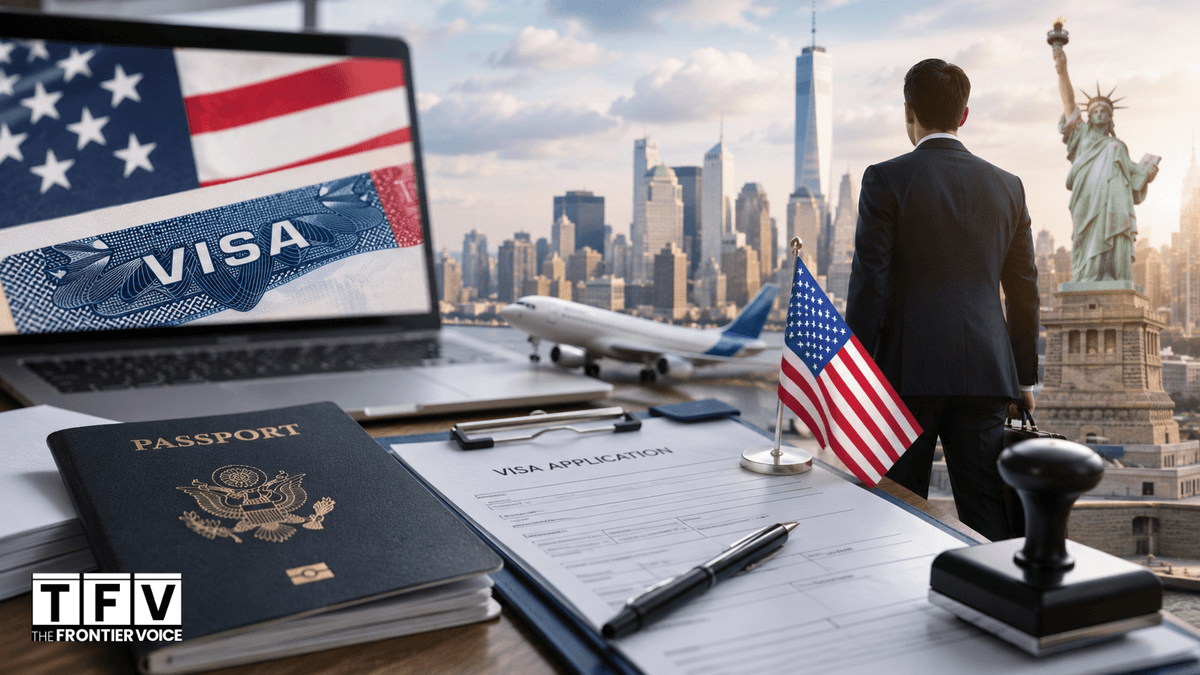
Applicants are generally required to submit a valid passport, the DS-160 confirmation page, proof of visa fee payment, passport-sized photographs if required, and USCIS approval documents such as Form I-797. Depending on the visa category, additional supporting documents may also be requested.
The application process includes employer sponsorship, petition approval, completion of the DS-160 online application, payment of the visa fee, scheduling and attending the visa interview, biometric verification where required, and waiting for the final decision. The standard application fee for most non-immigrant work visas is US$205, although additional fees may apply in certain cases.
Experts also note that receiving a U.S. work visa does not automatically guarantee entry into the country. The final decision rests with U.S. Customs and Border Protection (CBP) officers at the port of entry, who review the traveler's documents before granting admission.
Permanent employment visas, including EB-2 and EB-3, are available for highly qualified professionals, skilled workers, and other eligible employees. These visa categories can provide a pathway to permanent residency and a Green Card.
Immigration specialists warn that work visa applications may be denied if applicants fail to meet eligibility requirements, submit incomplete documentation, provide inaccurate information, or violate U.S. immigration laws. Applicants are therefore advised to consult the latest guidance from the U.S. Embassy or the official USCIS website before submitting their applications.