

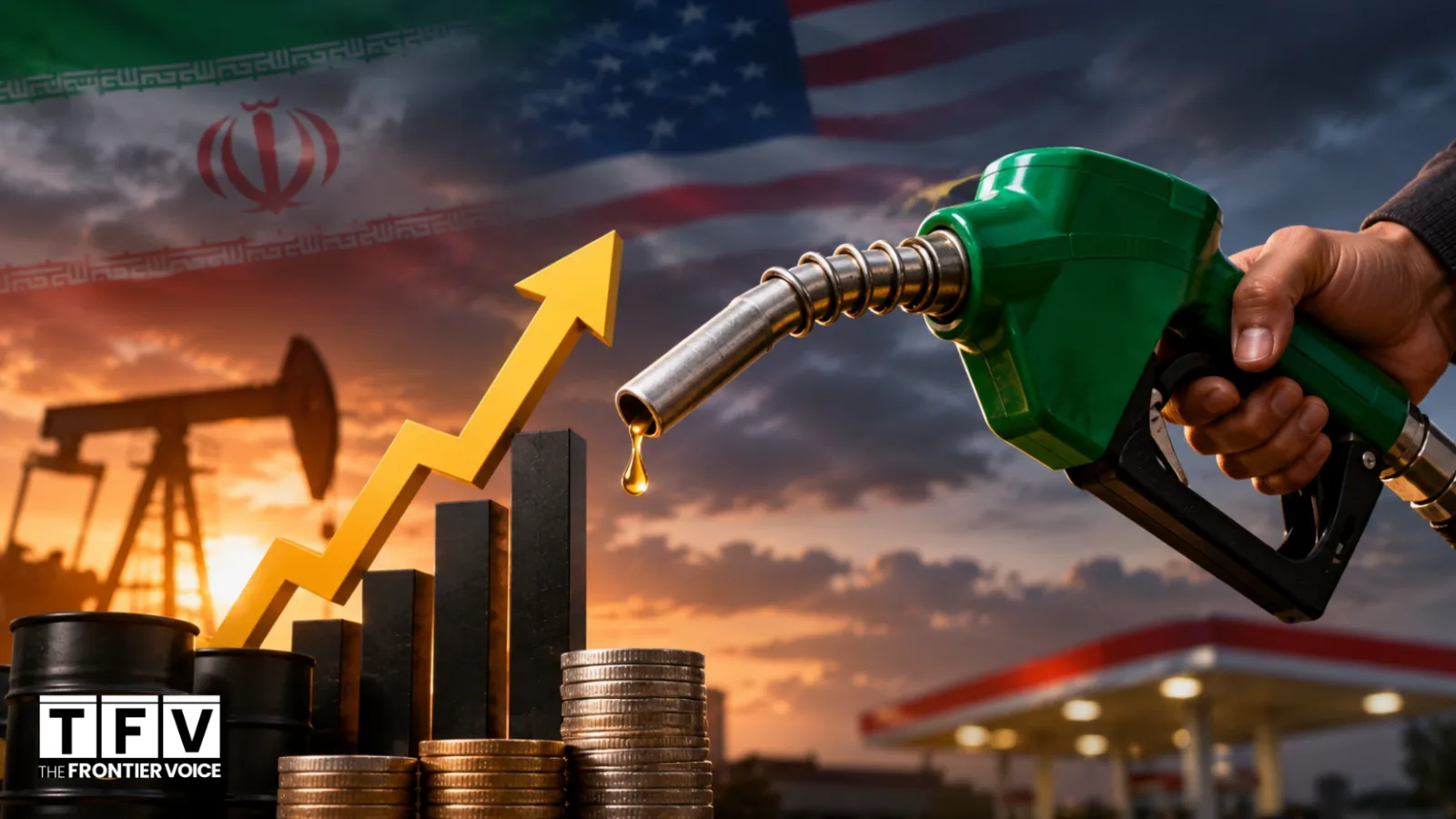
Rising tensions between Iran and the United States and their potential impact on global energy markets have raised fresh concerns over petroleum prices in Pakistan, with questions emerging over whether petrol could eventually reach Rs500 per litre.
Economist Dr. Khaqan Najeeb, speaking on ARY News' morning programme Ba Khabar Savera, attributed the high cost of petroleum products in Pakistan largely to the country's dependence on imported energy.
According to Dr. Najeeb, Pakistan continues to spend around $14–18 billion on petroleum imports. He said the country had failed to develop adequate long-term energy planning and reduce its dependence on imported fuel.
He argued that greater investment in domestic energy production and refineries could have enabled Pakistan to import relatively cheaper crude from countries such as Iran and Russia and refine it locally.
Responding to a question about whether petrol could reach Rs500 per litre, the economist highlighted the significant tax burden on petroleum products. He said around Rs114 per litre in taxes are currently imposed on petrol, including approximately Rs85 in petroleum levy.
Dr. Najeeb criticised the reliance on petroleum levy as a means of addressing revenue collection shortfalls and called for long-term economic and energy reforms instead.
He also referred to the carbon levy, saying Pakistan's contribution to global carbon emissions is extremely low, while an additional carbon-related levy has nevertheless been imposed.
The economist suggested fixing the petroleum levy at 18 percent, bringing it in line with GST, and urged the government to focus on long-term energy planning and greater self-reliance.