
HEALTH/LIFESTYLE
“Forever Chemicals” Found Permanently in Human Blood, New Study Warns

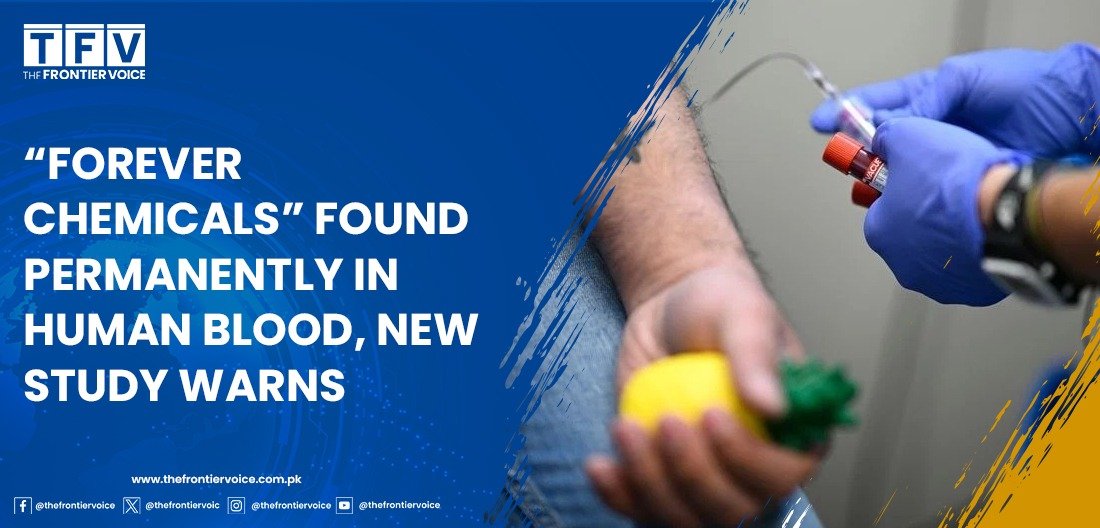
A recent scientific study has raised serious concerns about the growing presence of toxic synthetic chemicals inside the human body. Researchers have discovered that so-called “forever chemicals” are now permanently circulating in human blood and may pose long-term health risks.
Scientifically known as PFAS (Per- and Polyfluoroalkyl Substances), these chemicals belong to a large family of thousands of compounds widely used in everyday products because of their resistance to water, heat, and grease. They are commonly found in clothing, furniture, food packaging, adhesives, and various industrial materials.
The major concern surrounding PFAS is that they do not naturally break down in the environment. Instead, they gradually enter soil, water, food chains, and eventually accumulate inside the human body over time.
Researchers at the U.S.-based NMS Labs analyzed more than 10,000 blood samples to determine how many different chemicals people are exposed to simultaneously. The findings showed that the vast majority of samples contained five or more different PFAS chemicals at the same time.
One chemical in particular, PFHxS, was detected in nearly 98 percent of the samples. This compound is commonly used in textiles, furniture, and industrial products, and scientists believe it may negatively affect the liver and immune system. Several countries have already started restricting its use.
Experts also noted that the study examined only 13 common PFAS compounds, meaning the actual number of such chemicals present in the human body could be far higher.
Animal studies have suggested that these chemicals may accelerate aging, alter brain function, and increase the risk of certain cancers. However, scientists say more research is needed to fully understand their direct impact on humans.
Governments and researchers around the world are now working to limit the use of these chemicals and develop safer alternatives to protect public health in the future.