

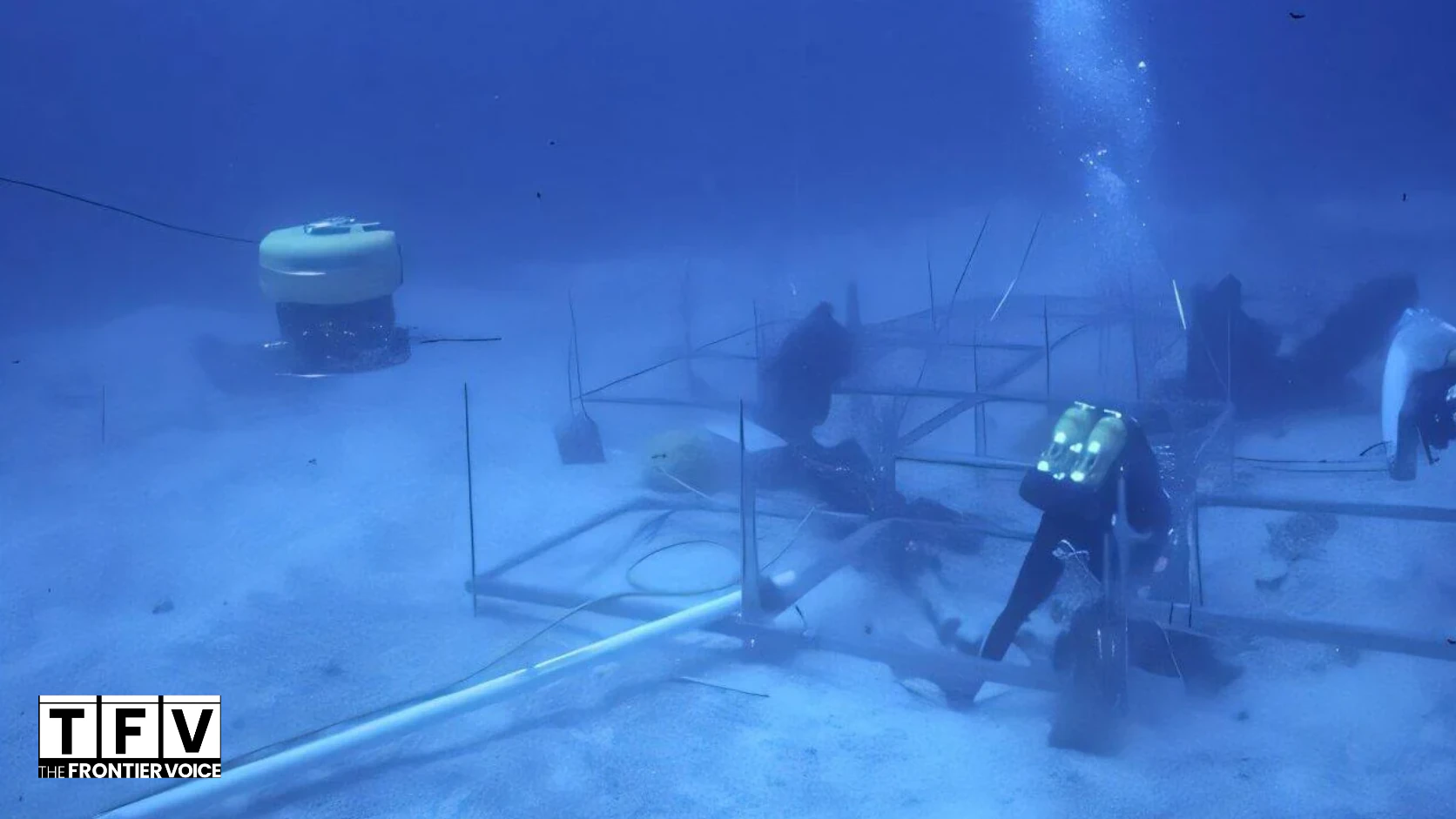
The wreck of Australia’s first locally built warship, HMCS Spitfire, has been discovered off the country’s northern coast, 128 years after it sank.
Australian officials announced the discovery on November 19, marking the 128th anniversary of the vessel’s loss. The ship was built in Sydney in 1855, at a time when fears of a possible Russian invasion were shaping defence planning in Australia’s colonial settlements.
The approximately 19-metre vessel was originally designed for military service and carried a single cannon. Despite its intended role, it never saw combat. It later served as a pilot vessel and performed other maritime duties along the coast.
In 1885, the ship was sold into private ownership and converted for use as a fishing vessel. It eventually foundered on August 21, 1898, after taking on water during a voyage off the coast of what is now Queensland. No lives were lost in the sinking.
According to the Australian Department of Defence and the Associated Press, the wreck was located following a month-long search involving the Royal Australian Navy, maritime archaeologists and heritage specialists.
A Navy minehunter vessel supported the operation using sonar technology, divers and remotely operated underwater vehicles. The wreck site was first detected and identified on August 21, 2026, although the official announcement came on November 19.
Researchers exposed and documented part of the vessel, while much of its structure remains buried beneath sand on the seabed. Officials have said there are no plans to recover the wreck. Its location is being protected under Australia’s underwater cultural heritage laws.
The discovery is significant because the Spitfire represents an early chapter in Australia’s naval history and domestic shipbuilding industry. Although it never became a major warship, its construction reflected the security concerns and maritime ambitions of the Australian colonies during the nineteenth century.
Maritime archaeologists say discoveries of this kind help preserve historical records and connect present-day communities with their past. The finding also highlights the role of modern underwater technology in locating and documenting shipwrecks that have remained hidden for generations.