
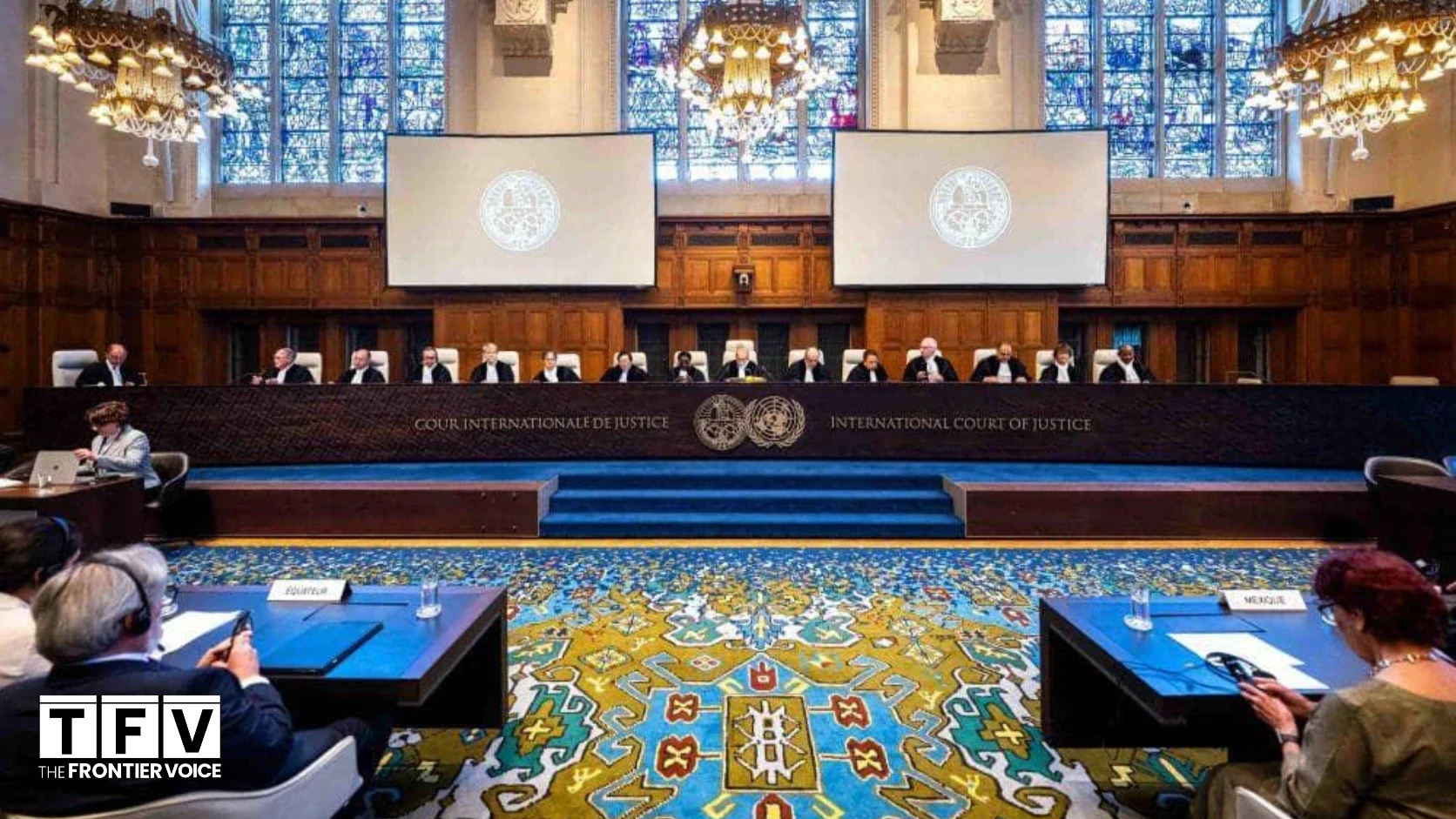
The International Court of Justice (ICJ), the United Nations’ highest court, has delivered a landmark judgment ruling that Myanmar committed genocide against the Rohingya Muslim minority during its 2017 military campaign in Rakhine State. The court also ordered Myanmar to take steps to ensure the safe, voluntary and dignified return of those who fled the violence.
According to the Associated Press, the 15-judge panel reached its decision by a vote of nine to six. ICJ President Yuji Iwasawa said Myanmar had committed genocide against the Rohingya group in northern Rakhine State, violating its obligations under the Genocide Convention.
The court said evidence showed that Myanmar’s security forces killed thousands of Rohingya civilians, committed widespread sexual violence and carried out acts of extreme violence against children. The judgment referred to evidence indicating that approximately 10,000 Rohingya people were killed.
The violence followed a military operation launched in August 2017, which Myanmar’s authorities described as a security campaign against insurgents. The operation triggered allegations of mass killings, sexual violence and the burning of thousands of homes. Hundreds of thousands of Rohingya subsequently fled across the border into Bangladesh.
Around 1.2 million Rohingya refugees are now living in Bangladesh, mainly in crowded camps in Cox’s Bazar. Many continue to face difficult living conditions, including inadequate sanitation, health risks, fire hazards and restrictions on employment.
The court ordered Myanmar to investigate, prosecute and punish individuals found responsible for genocidal acts. It also directed the country to provide compensation to victims, although the amount will be determined in later proceedings.
The judgment is legally binding, but the ICJ has no direct enforcement mechanism. If Myanmar fails to comply, the matter can be referred to the UN Security Council.
The ruling marks a significant moment in international justice and could influence how genocide-related cases are considered in the future. For the Rohingya, however, the real test will be whether the judgment leads to accountability, protection and a meaningful path towards returning home.