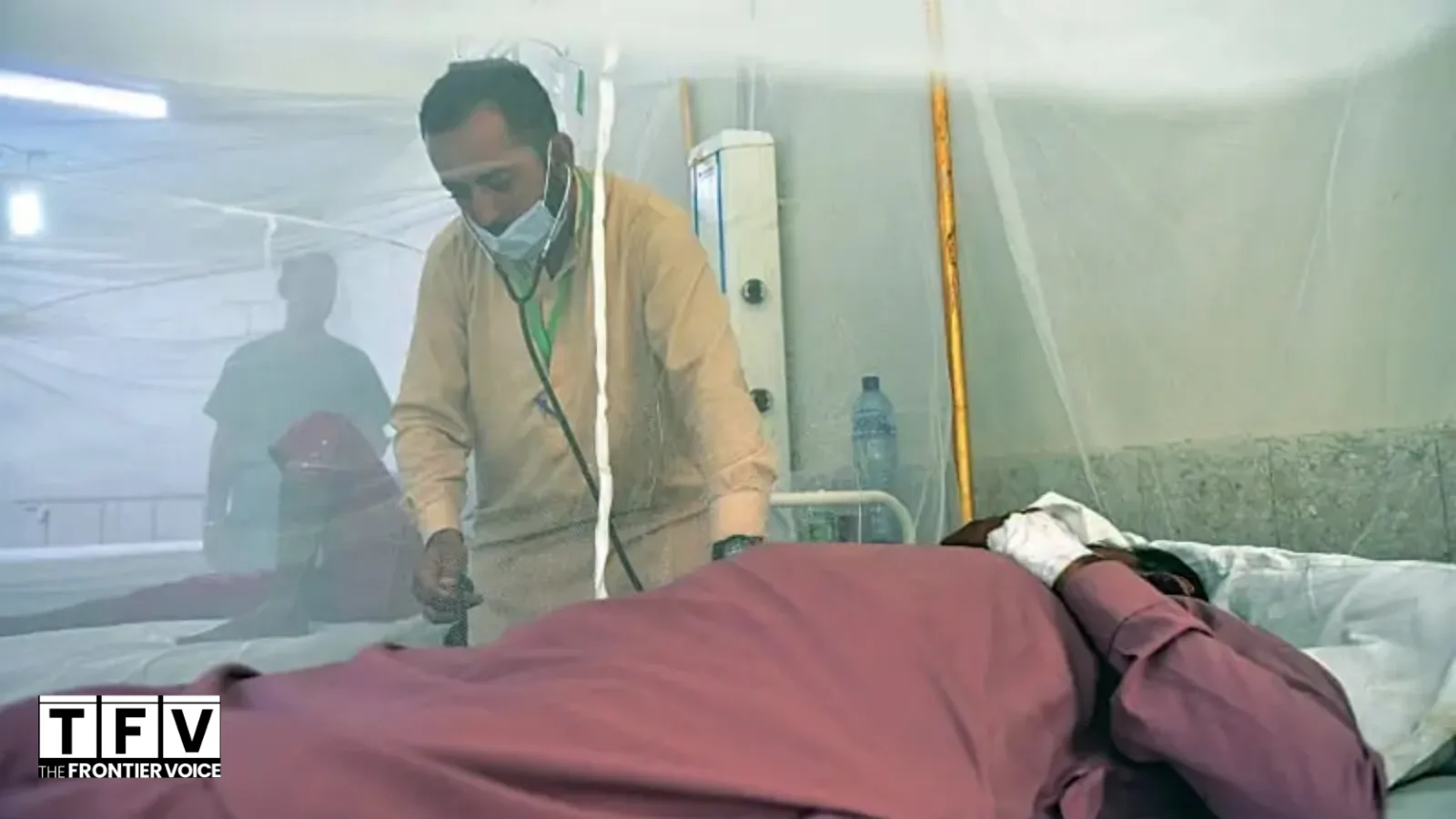



Heatstroke is not simply feeling unwell in hot weather. It is the point at which the body's cooling system fails outright: sweating can no longer shed heat fast enough, the core temperature climbs, and organs begin to suffer. It is a medical emergency, and it can develop within hours.
The people most at risk are the ones least able to avoid the heat: labourers and street vendors working through the afternoon, traffic police, the elderly living alone, small children, and anyone with heart, kidney or respiratory illness. Certain medicines also reduce the body's ability to cope with heat.
Before heatstroke comes heat exhaustion, and this is the stage where intervention is easiest. The signs are heavy sweating, cold and clammy skin, weakness, dizziness, headache, nausea and muscle cramps. Someone at this stage is still alert and able to talk normally.
The distinction that matters most is mental state. When someone becomes confused, slurs their words, behaves strangely, collapses or has a seizure, that is heatstroke rather than exhaustion. The skin is often hot and dry because sweating has stopped — but it can still be wet, so do not rule heatstroke out because someone is sweating.
In the first ten minutes, cooling matters more than anything else. Move the person into shade or indoors, remove extra clothing, and cool them aggressively: pour or spray water over the skin, fan them continuously, and place cold packs against the neck, armpits and groin, where large blood vessels run close to the surface. Call for medical help at the same time, not afterwards.
Two mistakes are common and both are dangerous. Do not try to make an unconscious or confused person drink — fluid can enter the lungs. And do not waste time looking for ice or a hospital before starting to cool them; ordinary tap water and moving air, applied immediately, do more good than perfect equipment applied late.
Prevention costs almost nothing. Drink water before thirst arrives rather than after, shift heavy outdoor work away from the middle of the day where that is possible, keep rooms ventilated, and check on elderly neighbours who live alone during a heatwave. This is general guidance and not a substitute for medical care: anyone showing signs of heatstroke needs a doctor.