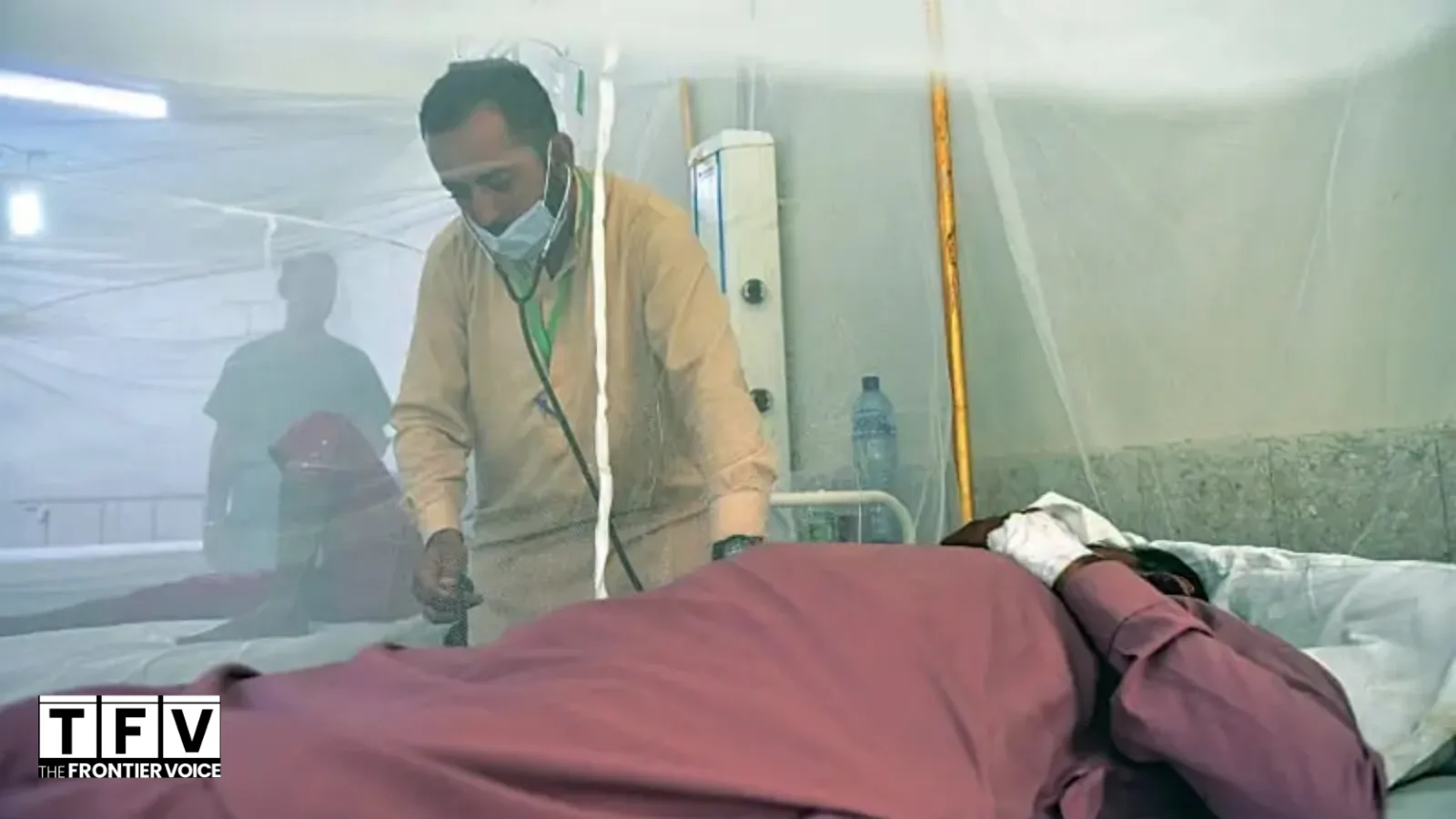


Rabies can be a dangerous and potentially fatal disease following a dog bite or scratch. Medical experts therefore advise people exposed to a potentially infected animal to seek medical attention without delay.
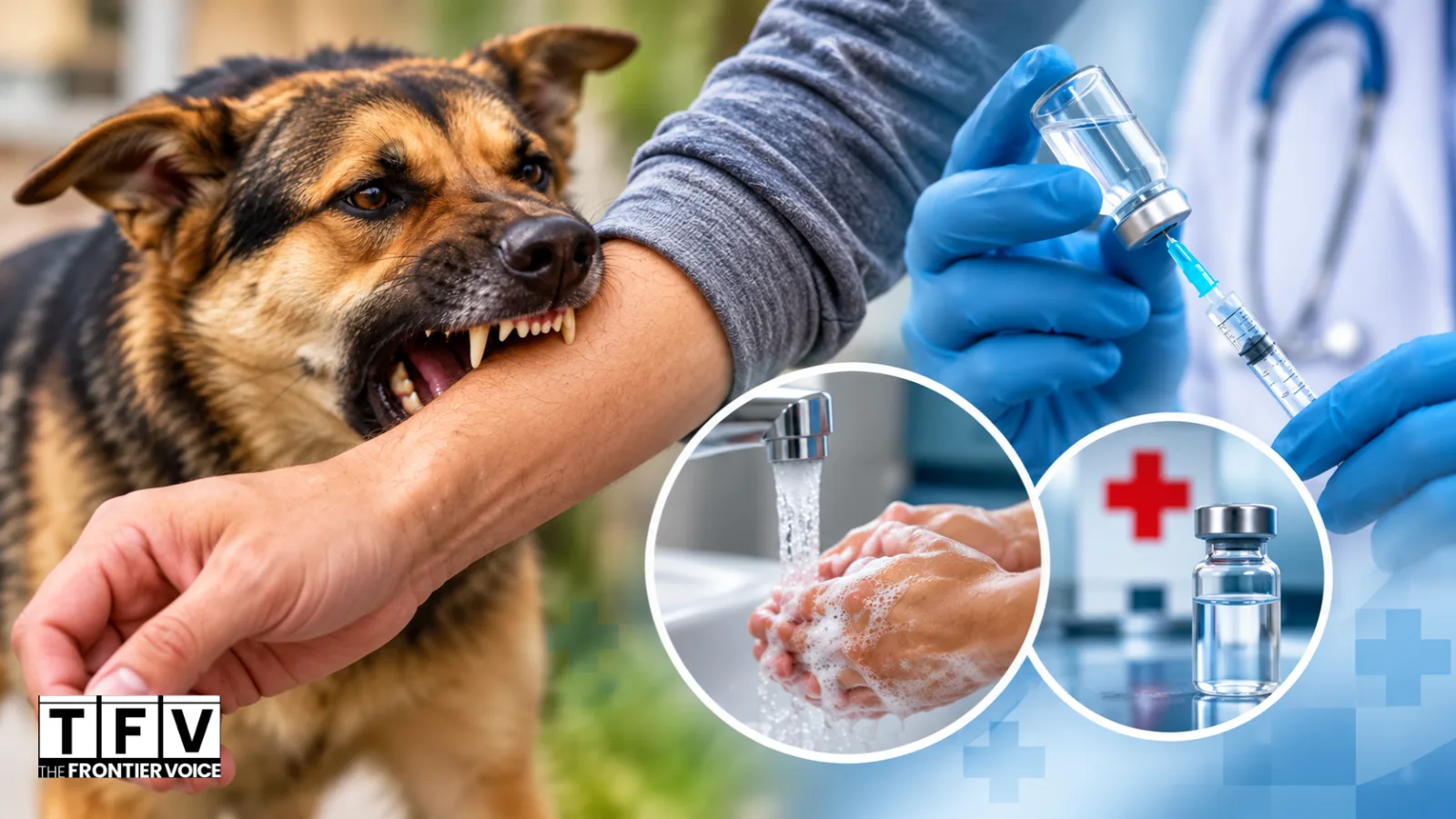
Rabies is generally transmitted through the saliva of an infected animal, including through bites, scratches or contact between saliva and broken skin. Following a potentially risky dog bite, rabies post-exposure vaccination should be started as soon as possible. Ideally, the person should seek medical care within the first 24 hours.
However, if more than 24 hours have already passed, medical attention should not be delayed further. A healthcare professional should assess the exposure and determine whether rabies vaccination and other preventive treatment are required.
Rabies symptoms can take weeks or longer to appear. Once symptoms such as fever, confusion, anxiety, agitation, delirium and paralysis develop, the disease is almost always fatal. Waiting for symptoms before seeking treatment can therefore be extremely dangerous.
What Should You Do Immediately After a Dog Bite?
The wound should be washed thoroughly with soap and running water for at least 15 minutes. An appropriate antiseptic solution may then be used.
If the wound is bleeding, apply pressure with a clean cloth. People should not attempt to tightly close or stitch the wound themselves; a healthcare professional should decide whether stitches are appropriate.
After washing the wound, the injured person should go to the nearest hospital or medical facility immediately so that a healthcare professional can assess the exposure and determine the appropriate rabies prevention treatment.
The rabies vaccine schedule can vary depending on the individual's circumstances, previous vaccination history and medical assessment. Patients should therefore follow the vaccination schedule prescribed by their healthcare professional.