

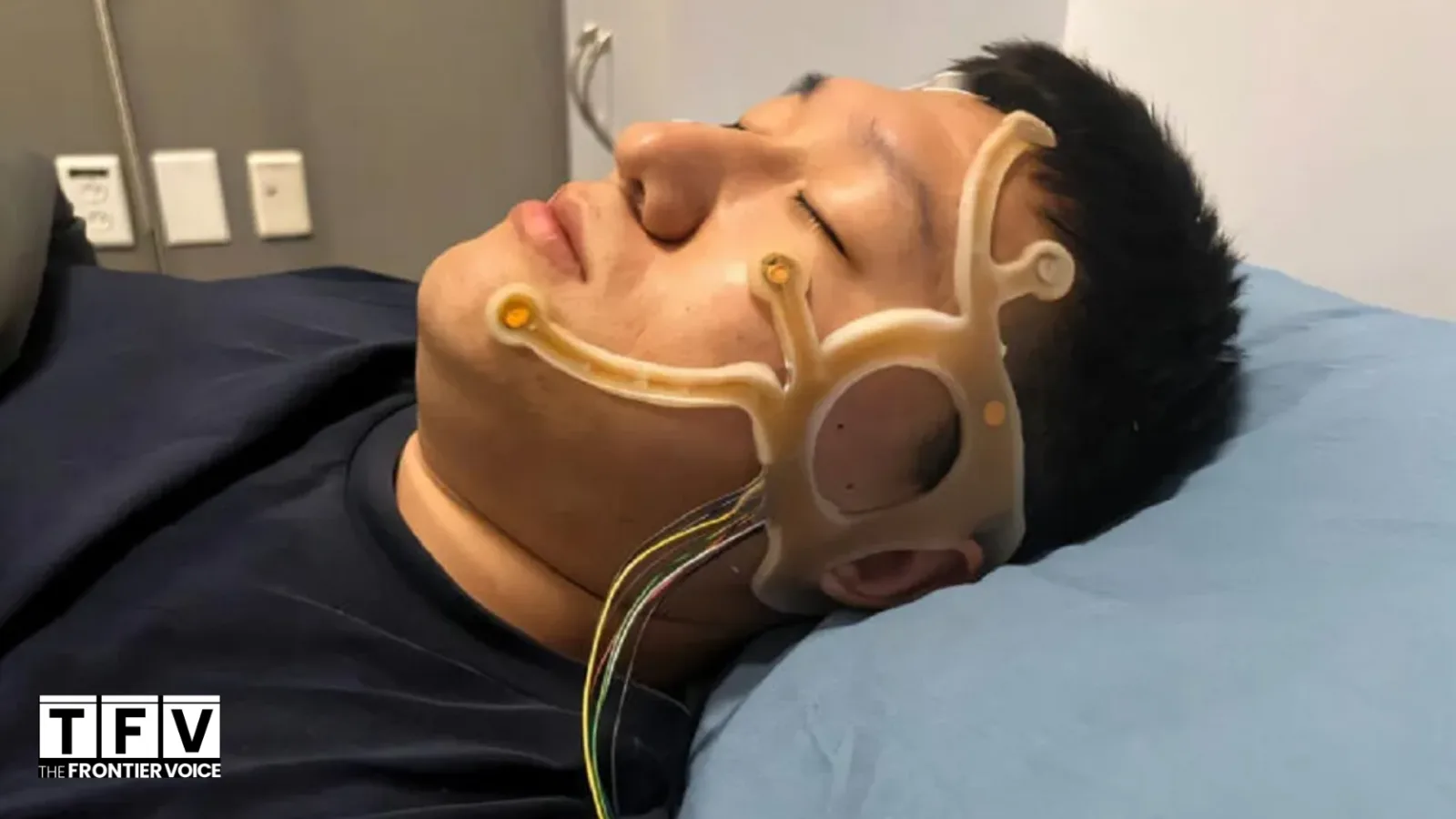
Scientists at the University of Texas have developed a new wearable ultrasound patch that may help people enter Rapid Eye Movement (REM) sleep faster and spend more time in this important stage of sleep without medication or surgery.
Known as NEUSLeeP, the device combines electrodes that continuously monitor brain activity with ultrasound technology designed to target deeper brain regions associated with REM sleep.
Researchers tested the device on 28 participants, with the findings published in the scientific journal Nature Communications. According to the study, participants using the patch entered REM sleep an average of 43 minutes earlier and spent approximately 16 additional minutes in the REM stage.
The researchers reported that the effects were observed not only in healthy participants but also among individuals experiencing sleep-related difficulties. Participants generally found the patch comfortable to wear, while adverse effects reported during the study were described as minimal.
The study also identified changes associated with the body's regulation of stress following ultrasound stimulation. Healthy participants showed increased heart-rate variability, a measure commonly associated with the body's ability to respond to and regulate stress.
Brain imaging also revealed changes in neural circuits involved in emotional processing.
Researchers noted that disruptions in REM sleep have been associated with conditions including depression, anxiety and post-traumatic stress disorder (PTSD).
However, scientists stressed that NEUSLeeP is not yet an established medical treatment and that larger studies are required before the technology can be considered for routine clinical use.
Future research will investigate whether the technology could benefit people experiencing chronic insomnia, depression and PTSD.