


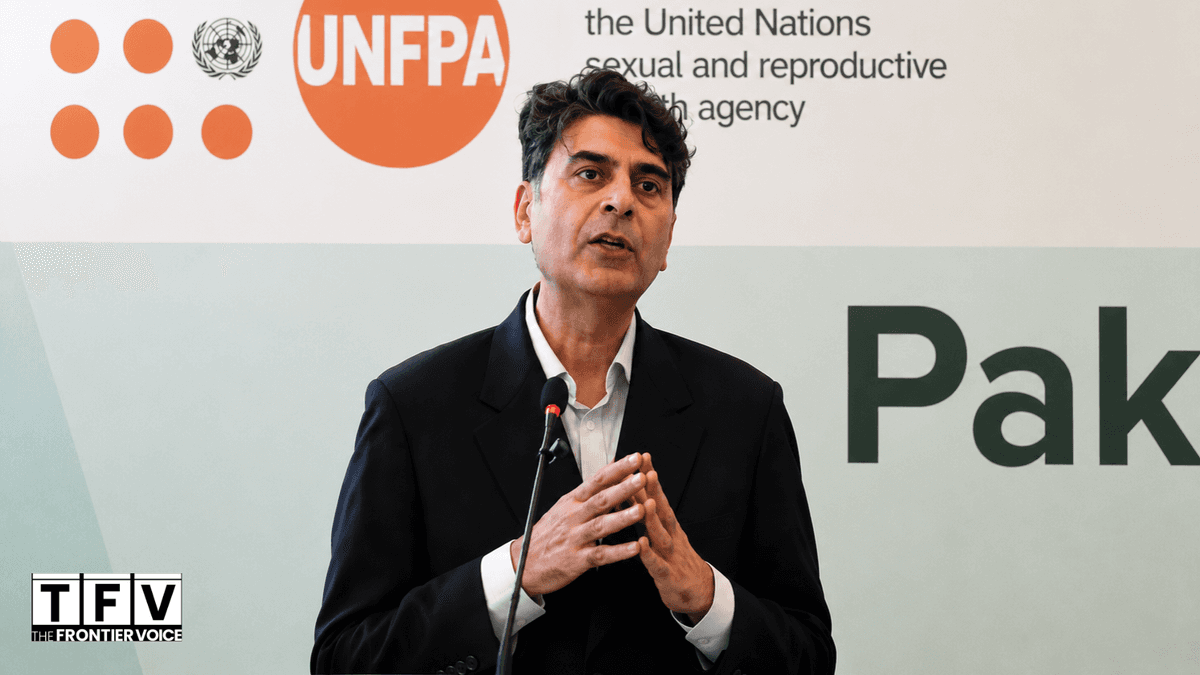
Islamabad: Minister of State for National Health Services, Dr. Mukhtar Ahmad Bharath, has warned that Pakistan's population could reach 400 million by 2040 if timely and effective measures are not taken. He emphasized that addressing rapid population growth requires not only government initiatives but also the active participation of every citizen.
Speaking at a ceremony marking the handover of maternal and child health and family planning supplies, Dr. Bharath said that the objective of family planning is not merely to limit the number of children but to ensure that every child enjoys a healthy, safe, and dignified life. He urged parents to consider whether they have the necessary resources to provide adequate nutrition, quality education, timely immunization, healthcare, and proper upbringing before planning their families. He noted that a healthy and prosperous society can only be built when every child has access to these fundamental rights.
The minister pointed out that the use of contraceptive methods in Pakistan remains lower than in many other countries. He said that nations such as Saudi Arabia, Iran, and Türkiye have comparatively higher contraceptive usage rates. According to Dr. Bharath, the limited use of safe and effective family planning methods contributes to unintended pregnancies, which in turn lead to unsafe abortions, posing serious risks to women's health and placing an additional burden on the national healthcare system.
He stressed that a healthy mother is the foundation of a healthy family and a strong society. If a mother's health is compromised, the well-being, education, and overall development of children, as well as the welfare of the family, are also adversely affected. He added that just as fathers are responsible for meeting the family's financial needs, safeguarding the health of mothers is equally essential for family prosperity and national development.
Dr. Bharath said that Prime Minister Muhammad Shehbaz Sharif has established a National Council to address the challenges posed by rapid population growth. The council is working on a national strategy aimed at promoting balanced population growth, improving maternal and child health, and strengthening family planning services across the country.
He reaffirmed the Ministry of National Health Services' commitment to working closely with provincial governments, development partners, and relevant institutions to make maternal and child healthcare and family planning services more effective, accessible, and of higher quality.
In his concluding remarks, Dr. Bharath urged all Pakistanis to adopt family planning as a responsible and informed decision for the benefit of future generations, ensuring that every child grows up in a healthy environment, every mother remains safe, and Pakistan moves toward becoming a healthier, stronger, and more prosperous nation.
Meanwhile, the Ministry of National Health spokesperson announced that the Government of China, in collaboration with the United Nations Population Fund (UNFPA), has provided the Government of Pakistan with US$2 million worth of reproductive health medicines, family planning commodities, medical supplies, and equipment.
The handover ceremony was held at the Basic Health Unit (BHU), Tarlai, Islamabad, where the initiative was described as a significant step toward strengthening reproductive healthcare services, improving maternal and child health, and expanding public access to quality family planning services across Pakistan.