


A monsoon is, at its simplest, a seasonal reversal of the wind. Land heats and cools faster than the sea, and that difference sets the direction the air travels. Through the summer the land warms, air above it rises, and moist air is drawn inland off the ocean to replace it.
For this region the moisture comes off the Arabian Sea and the Bay of Bengal. It arrives loaded with water vapour, and it keeps moving until something forces it upward. Rising air cools, cooling air cannot hold its moisture, and the moisture falls as rain.
Mountains are the most reliable way to force air upward, which is why the heaviest monsoon rain tends to fall against high ground rather than spread evenly across a plain. In Pakistan that puts much of the season's water onto steep northern catchments rather than onto the fields that need it.
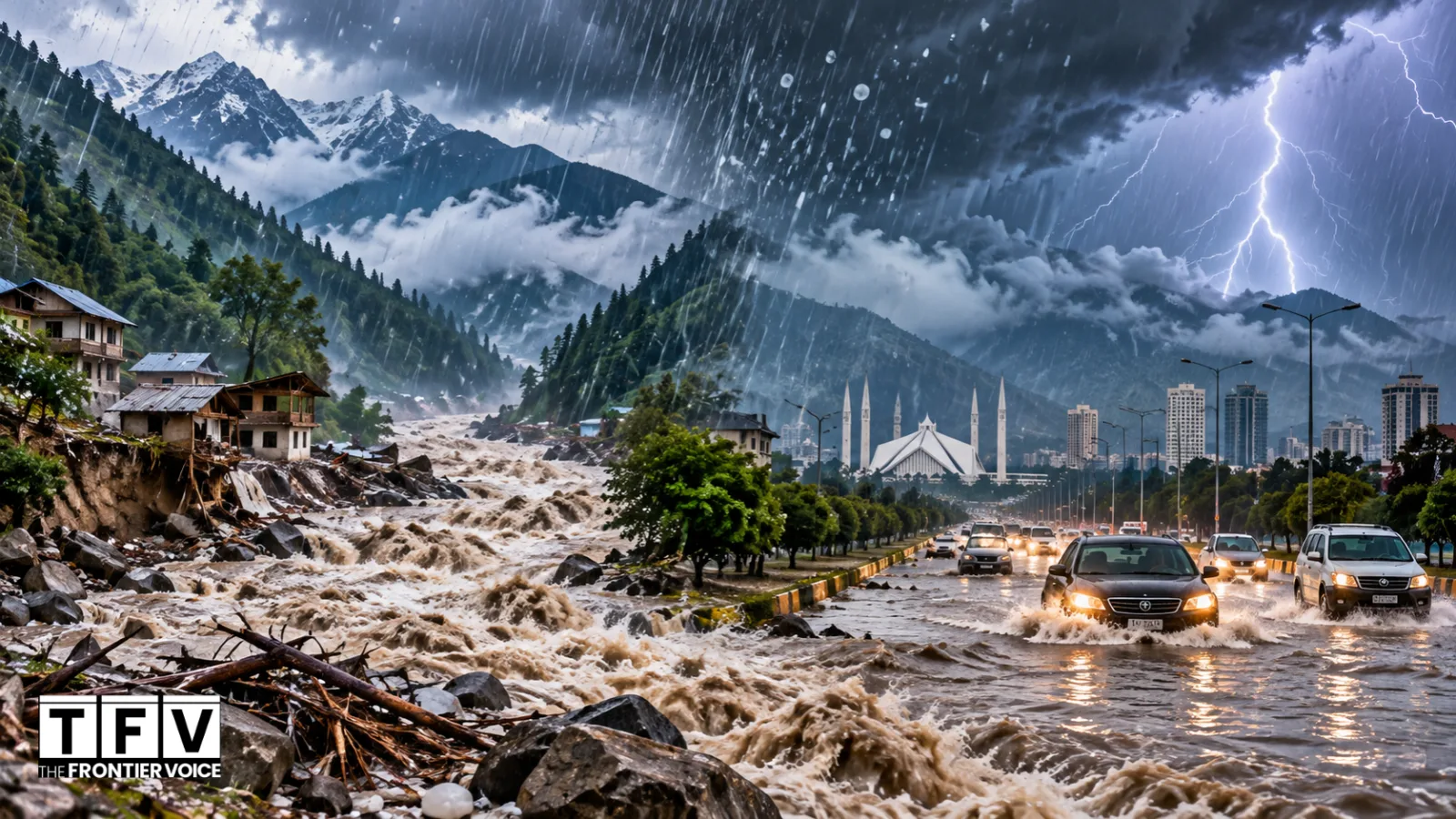
That is where the flooding begins. Water landing on a steep slope does not soak in; it runs off, gathers into streams, and streams gather into rivers. The Indus system collects that runoff from an enormous area and carries it south, so rain falling in the mountains becomes a flood in the plains days later.
Timing matters as much as quantity. A season's worth of rain spread over weeks is absorbed; the same amount delivered in a few intense days is not. Ground that is already saturated cannot take more, so late-season rain runs off almost entirely, which is why the worst flooding often follows an already wet stretch.
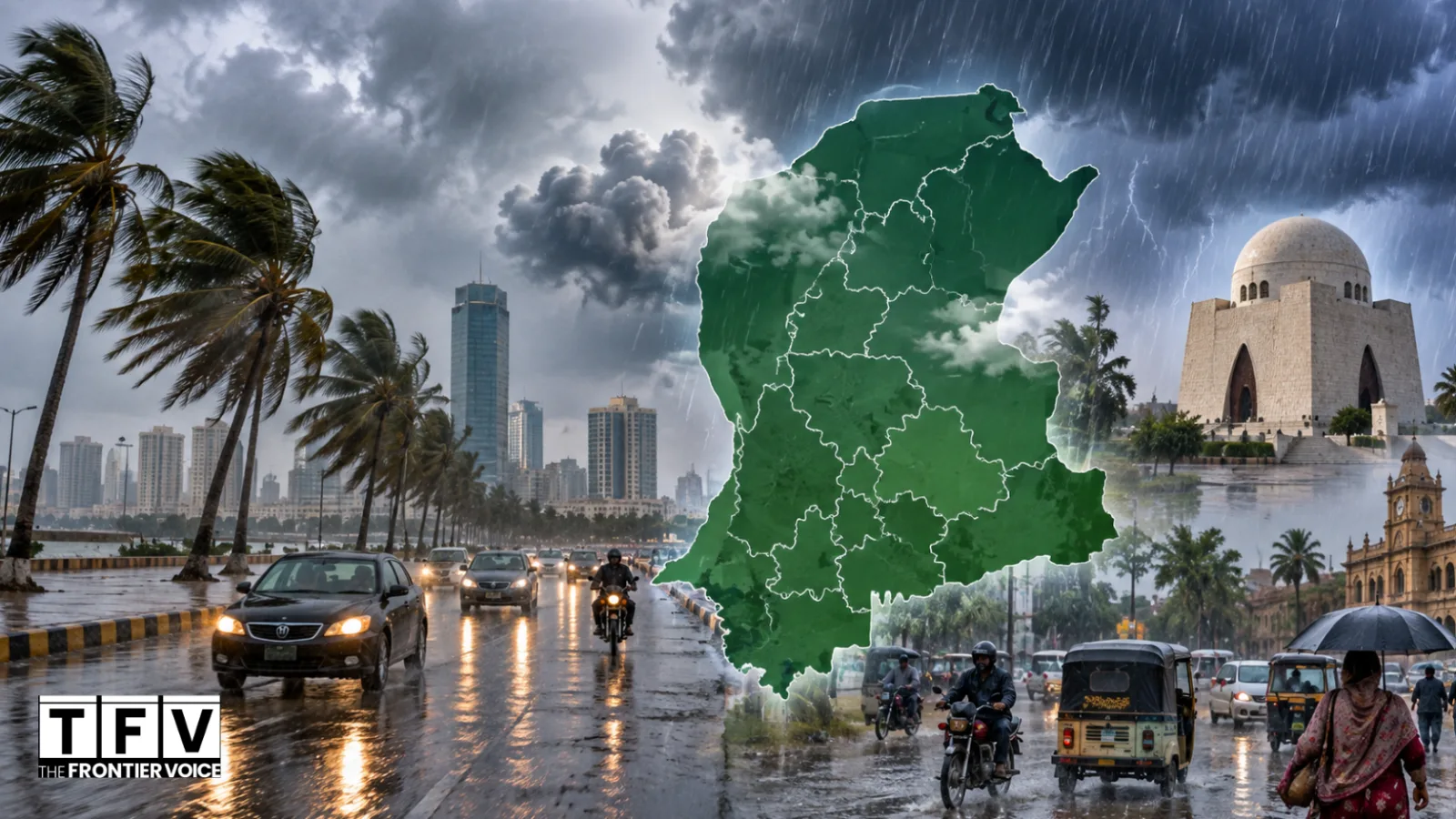
Much of the damage, though, is decided on the ground rather than in the sky. Building on floodplains and in natural drainage paths, blocked or unmaintained storm drains in cities, and the loss of vegetation that once slowed runoff all convert a heavy rain into standing water in streets and homes.
None of this is beyond management. Clearing drains before the season rather than during it, keeping construction out of known water paths, and acting on flood warnings early are unglamorous measures, but they are the difference between a difficult monsoon and a destructive one.