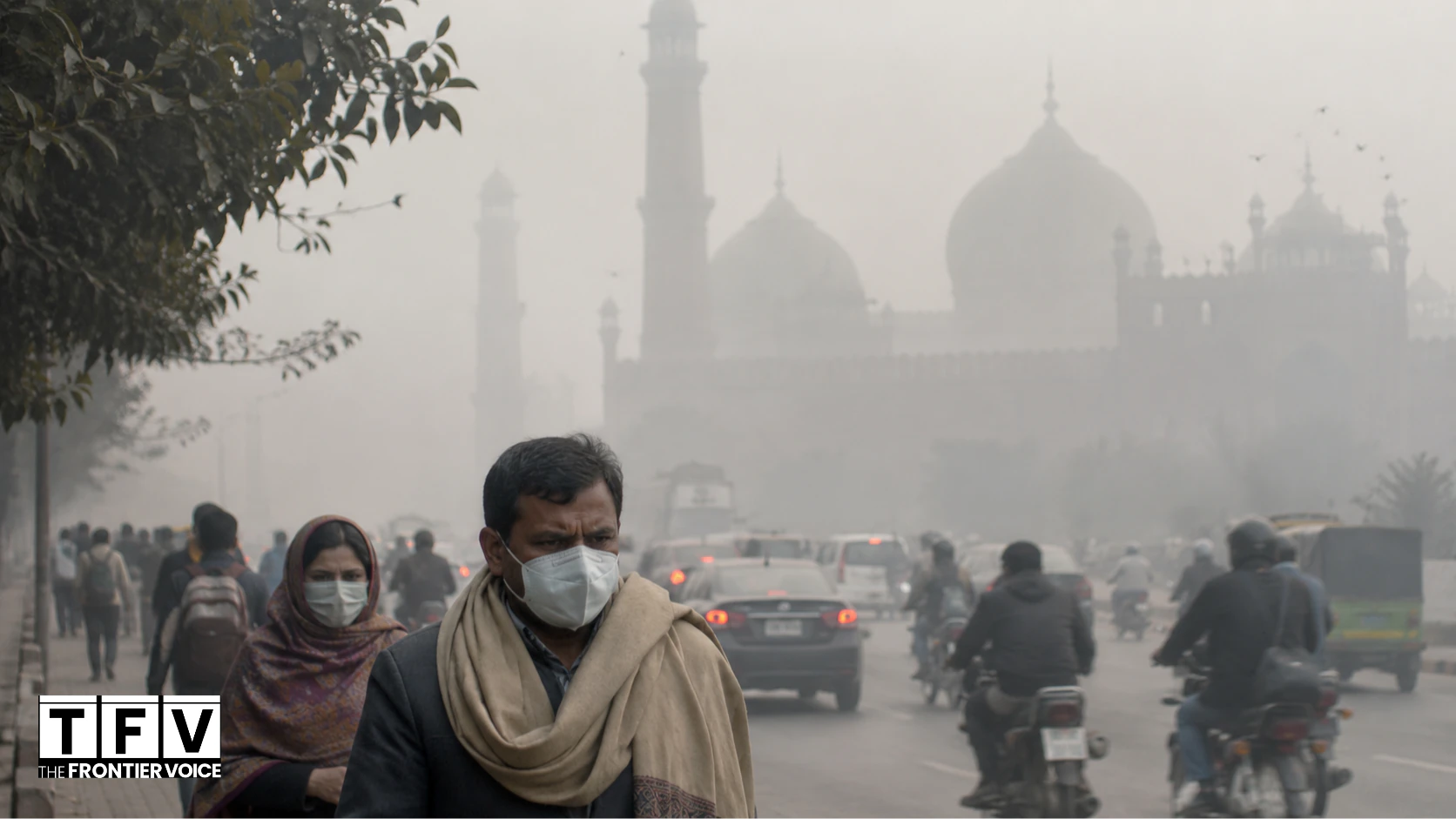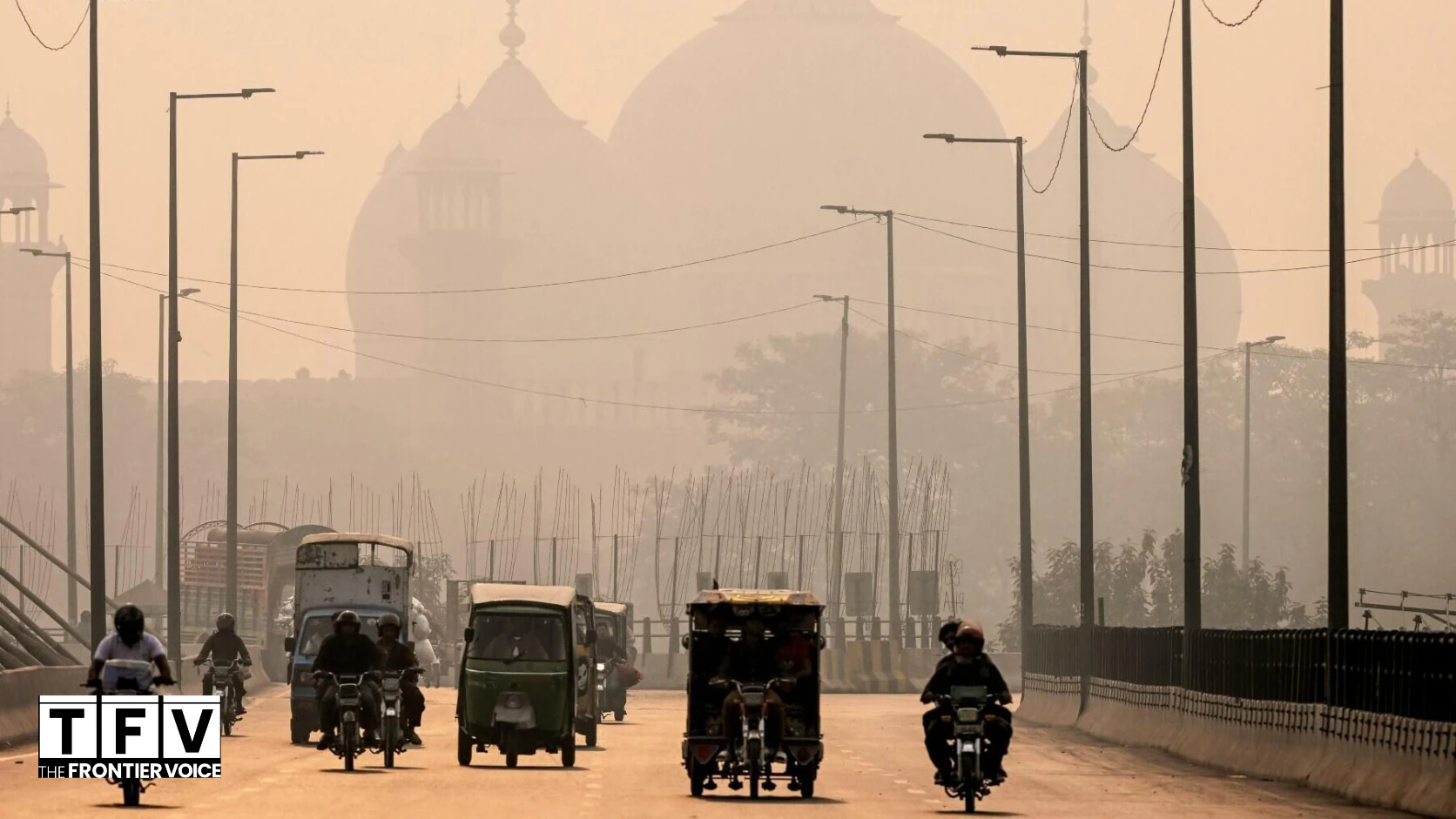

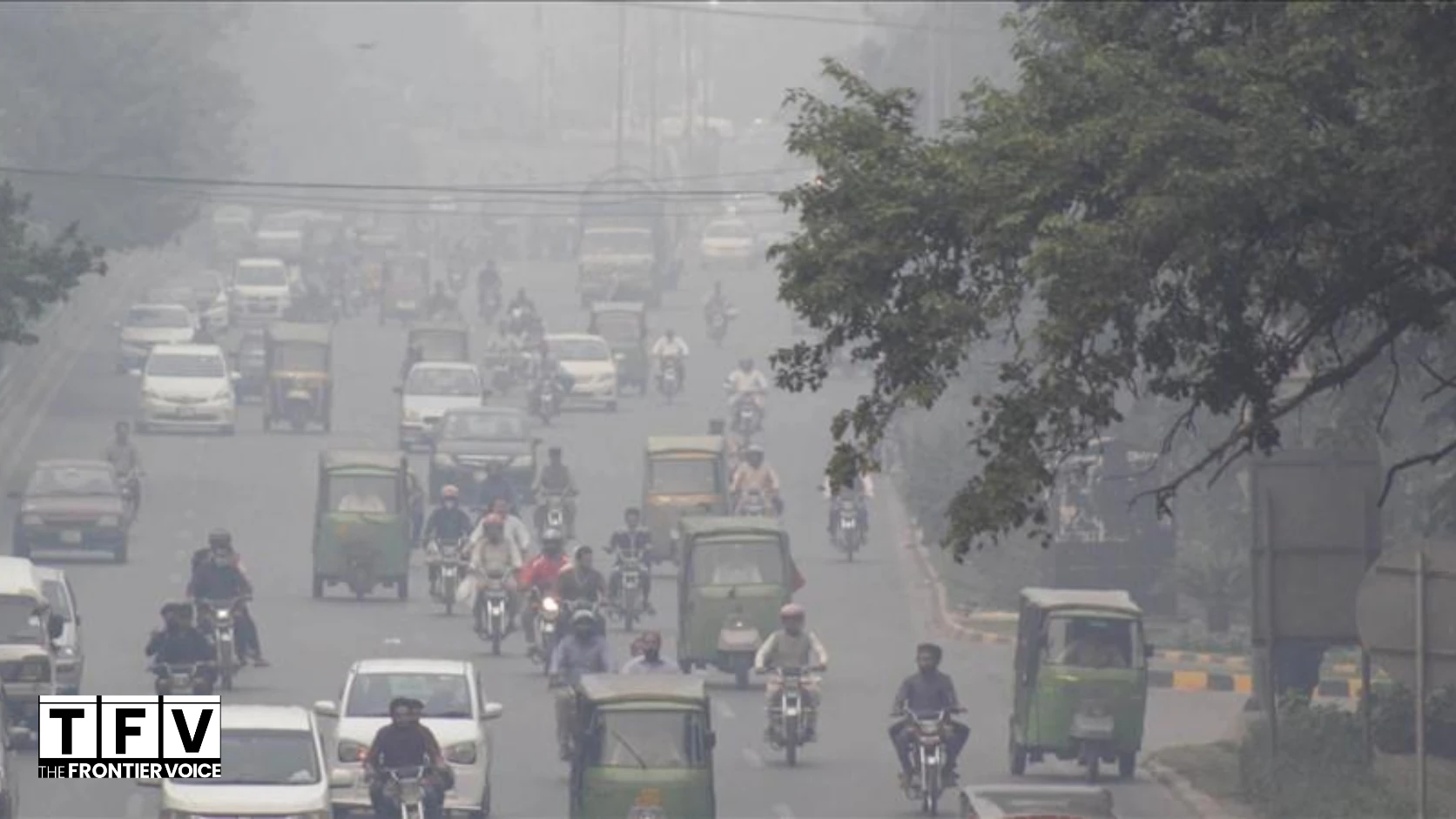
Air pollution across parts of Punjab has intensified, raising concerns about public health after reports indicated that Gujranwala's Air Quality Index reached 810, a level associated with extremely hazardous conditions.
The pollution contains fine particulate matter, including PM2.5, which can penetrate deep into the lungs and contribute to respiratory and cardiovascular problems.
Children, older adults, pregnant women and people with existing heart or lung conditions are particularly vulnerable. Exposure to severe pollution may trigger coughing, breathing difficulties, throat irritation and eye discomfort.
Punjab's air pollution is linked to multiple sources, including vehicle emissions, industrial activity, construction dust, agricultural burning and weather conditions that prevent pollutants from dispersing.
During winter, cooler temperatures and stagnant air can trap pollution closer to the ground, creating prolonged periods of poor air quality.
Health experts generally advise people to reduce outdoor activity when pollution levels are severe, keep children and vulnerable individuals away from heavily polluted environments and use appropriate protective measures.
But the problem cannot be solved through individual precautions alone. Long-term improvement requires stronger emissions controls, cleaner transport, better industrial monitoring, improved waste management and alternatives to agricultural burning.
The latest pollution levels highlight the growing challenge facing Pakistan's urban centres. Smog is no longer simply an inconvenience during winter—it has become an environmental and public-health issue with economic consequences, including disrupted outdoor work, school activities and increased pressure on healthcare services.