
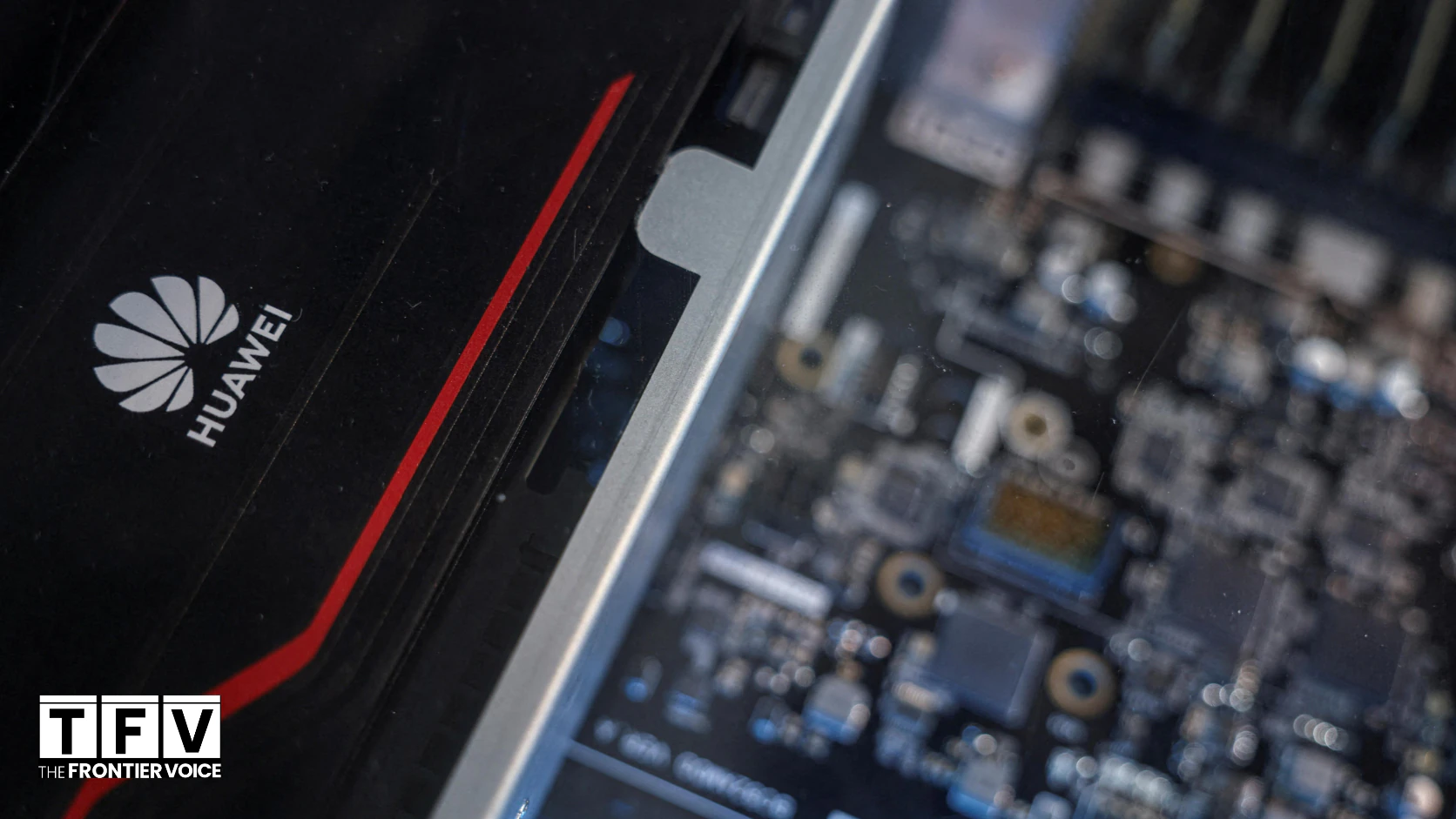
Chinese technology giant Huawei has suffered a legal setback in the United States after a federal jury in New York found the company guilty of certain charges involving trade secrets and bank fraud.
The case, which has been ongoing for years, involved allegations related to Huawei's business activities, financial transactions and conduct connected to Iran sanctions. The jury also acquitted the company of some other charges, including a broader racketeering allegation.
Huawei has been a central figure in the US-China technology dispute for years. Washington has raised concerns about the company's telecommunications equipment and alleged national security risks, while Huawei has repeatedly challenged accusations against it.
The verdict comes as the two countries compete in strategically important sectors, including artificial intelligence, semiconductor technology, telecommunications infrastructure, cloud computing and advanced manufacturing.
Huawei is one of the world's major suppliers of telecom equipment and digital infrastructure. Legal decisions involving the company could influence international business relationships, technology supply chains and investment decisions.
The case also illustrates how the global technology competition has expanded beyond commercial markets. Legal frameworks, export restrictions, national security policies and geopolitical relationships increasingly shape the development and distribution of advanced technology.
As the US-China rivalry continues, companies operating internationally face a more complicated environment in which legal compliance and political considerations can be as important as technological innovation.