
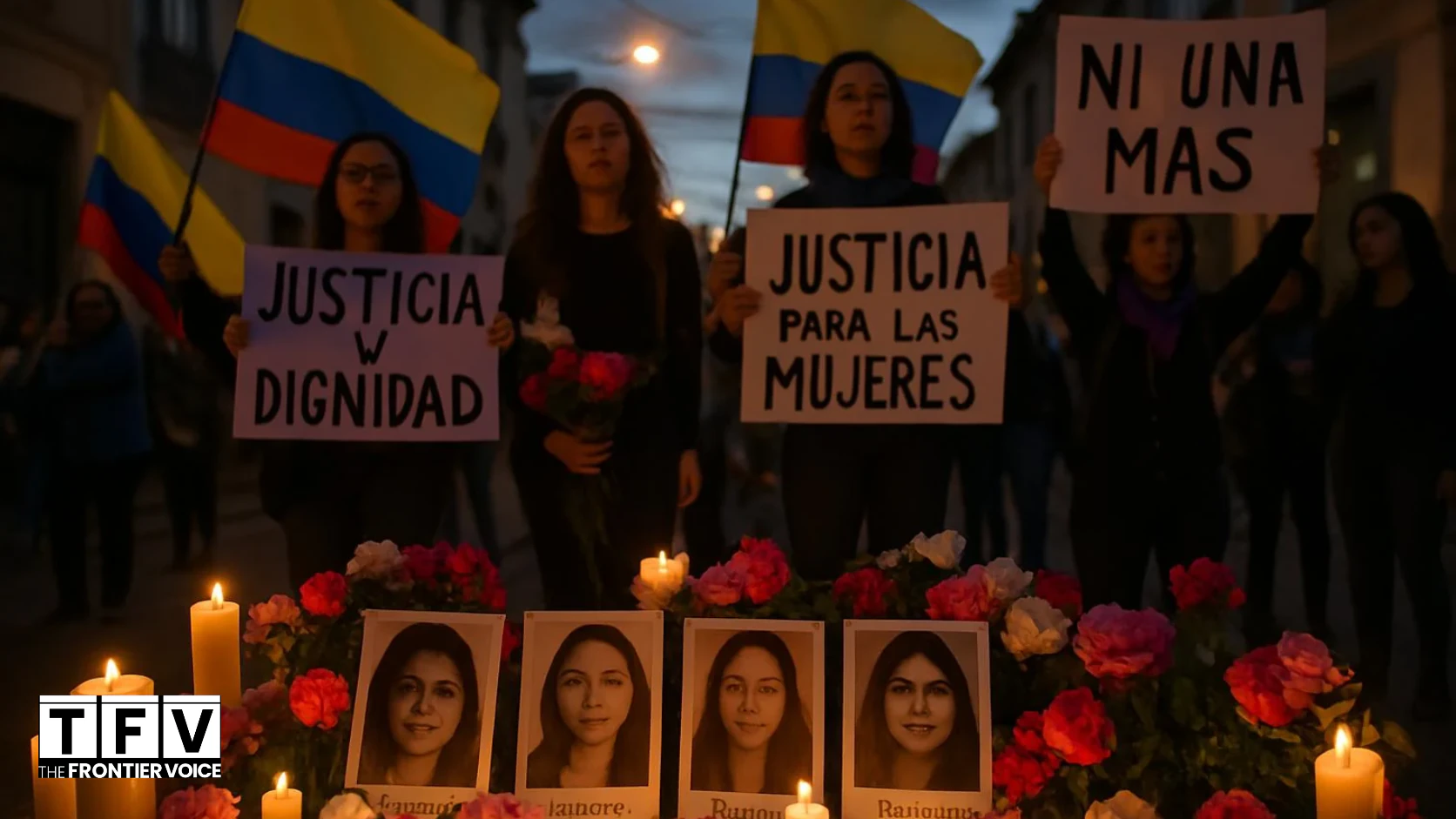
Nearly 47,000 women and girls worldwide were killed by intimate partners or family members in 2025, according to new figures released by the United Nations. The estimate represents an average of five victims every hour.
The findings, published by UN Women and the United Nations Office on Drugs and Crime, show that around 60 per cent of the 78,000 women and girls intentionally killed worldwide last year were murdered by a partner or family member.
The figures translate into approximately 129 victims every day and were compiled using data from 122 countries and territories.
The report highlights the continuing danger faced by women within their own homes and family relationships. Many killings are preceded by patterns of domestic abuse, threats, coercion or violence that may have gone unreported or failed to trigger effective intervention.
Africa recorded the highest number of victims of intimate partner and family-related killings, while Asia also reported a substantial share of the global total.
The findings underline the importance of early intervention and accessible protection systems. UN agencies have urged governments to strengthen safe reporting mechanisms, legal assistance, shelters, healthcare services, investigations and accountability.
For many survivors, reporting abuse can carry significant risks, including threats to personal safety, financial security, housing and family relationships. Institutions must therefore ensure that seeking help does not expose victims to further danger.
The figures also reveal that reducing overall homicide rates does not necessarily mean women are becoming equally safer. Femicide rates have declined more slowly than general homicide rates in several regions.
The report calls for stronger prevention, better support for survivors and greater accountability for perpetrators.
Its central message is that violence against women is not inevitable. Effective protection, early action and functioning justice systems can help prevent abuse from escalating into fatal violence.