

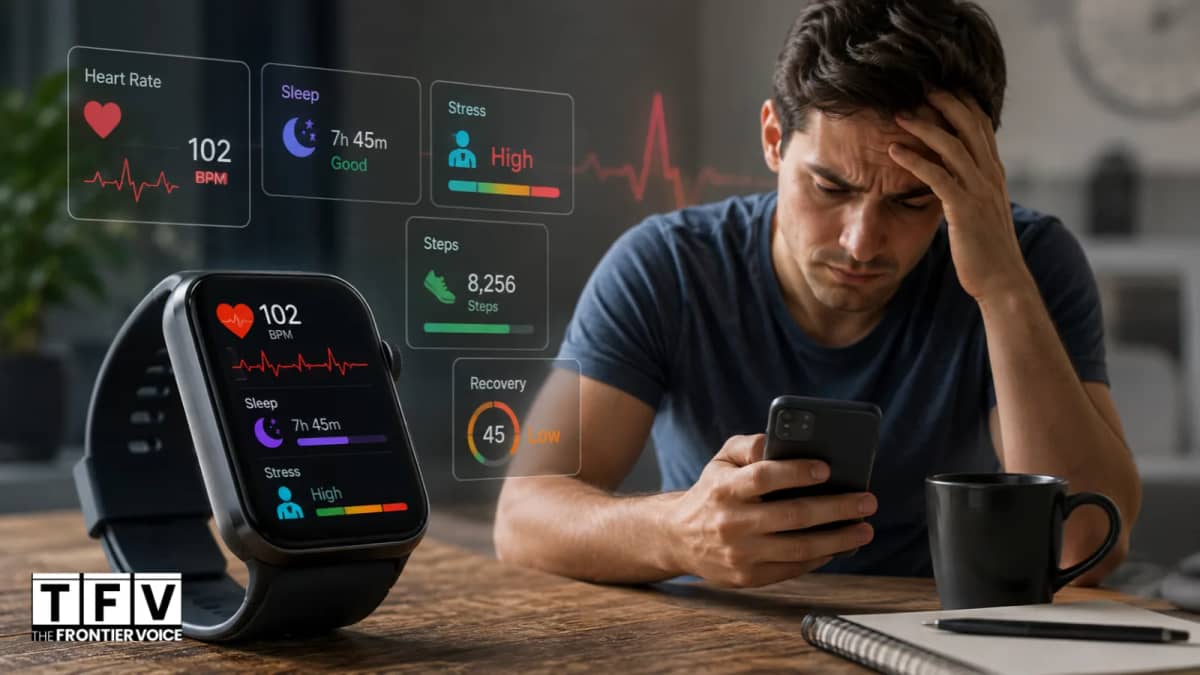
Health experts have warned that although smartwatches have become valuable tools for monitoring heart rate, sleep, stress levels, physical activity, and recovery, excessive dependence on their health data may contribute to a growing form of health-related anxiety.
According to experts, the problem does not lie in the technology itself but in users placing greater trust in smartwatch readings than in their own physical symptoms or professional medical advice.
Nargiza Newman Zander, founder of X Technology, said health data is beneficial when it helps people make informed decisions. However, it becomes harmful when daily scores begin to influence emotions, confidence, and everyday behavior.
Experts explained that many people mistakenly interpret poor sleep scores or low recovery ratings as signs of serious illness, even though these readings may simply reflect temporary fatigue, dehydration, stress, caffeine intake, or other everyday factors.
They also noted that smartwatch algorithms estimate health trends based on patterns rather than comprehensive medical examinations and should not be considered definitive diagnostic tools.
Cardiology experts emphasized that while wearable devices have improved public awareness of personal health, they are not a substitute for professional medical evaluation. Any potential health concern should be assessed by a qualified physician through clinical examination, medical history, and appropriate diagnostic tests.
Health professionals advise users to focus on long-term improvements in fitness, sleep quality, and healthy lifestyle habits instead of becoming overly concerned with daily fluctuations in smartwatch scores.