
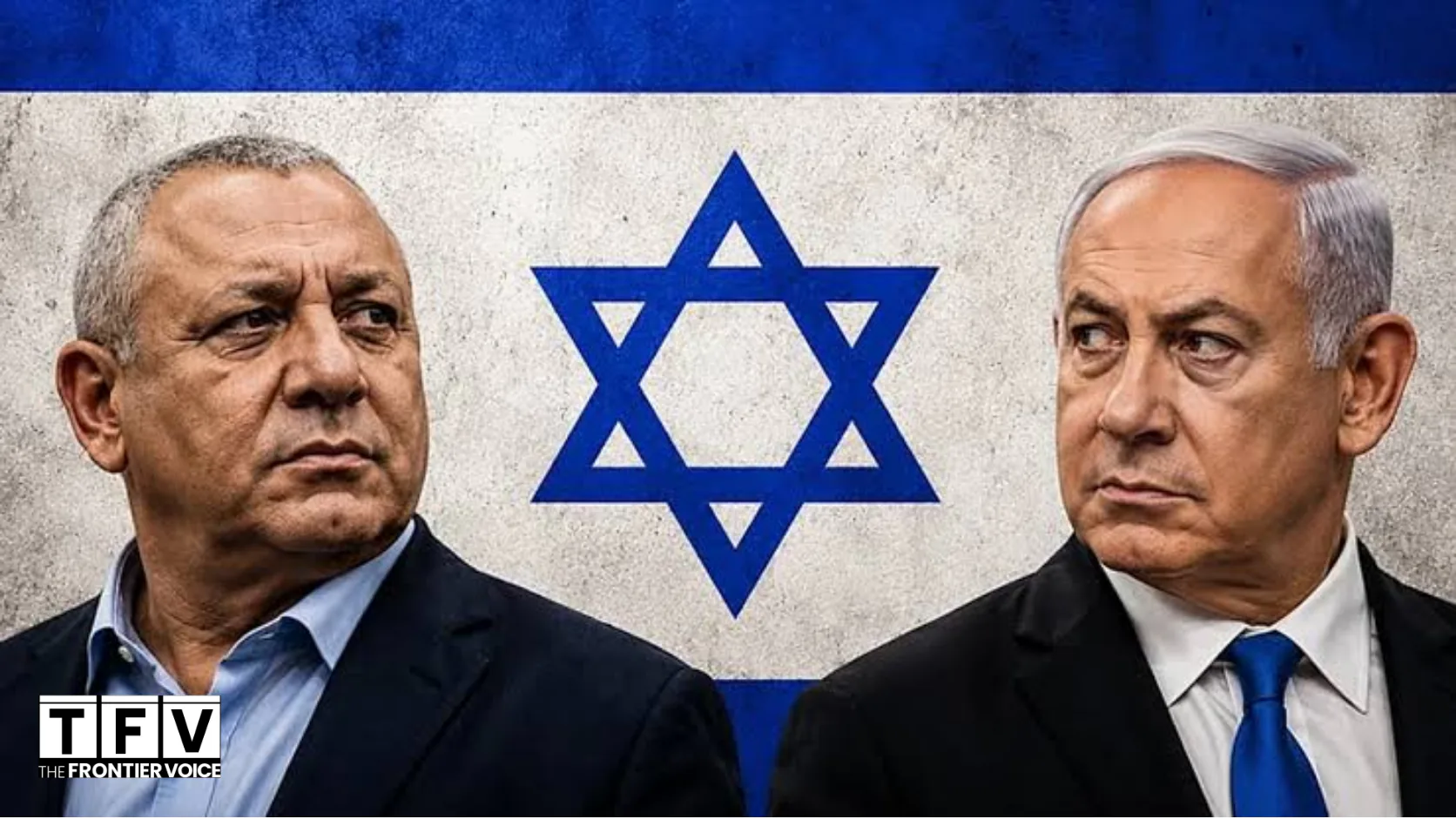
Israel’s political landscape is facing a potential shake-up as former military chief Gadi Eisenkot emerges as a significant challenger to Prime Minister Benjamin Netanyahu. According to the supplied report, opinion polls show Eisenkot’s Yashar party ahead of Netanyahu’s Likud party ahead of the October 27 election.
Eisenkot served in the Israeli military for 41 years and was chief of staff from 2015 to 2019. His public profile has also been shaped by personal losses during the Gaza war, in which his son and two nephews were killed.
Following Hamas’s October 7, 2023, attack on Israel, Eisenkot joined Netanyahu’s war cabinet as an observer. He left about eight months later, citing disagreements over the government’s strategy. He has argued that Israel failed to achieve its stated objective of eliminating Hamas’s military and governing capabilities.
However, Eisenkot’s opposition to Netanyahu does not necessarily signal a softer approach towards Palestinians. He opposes the establishment of a Palestinian state and believes Israel should retain ultimate security authority across the territory between the Jordan River and the Mediterranean Sea.
His security agenda also prioritises dismantling Hamas’s military capabilities and preventing Iran from acquiring nuclear weapons. On the West Bank, Eisenkot supports settlement activity when it is lawful and consistent with Israel’s national interests, while opposing settler violence and certain controversial settlement plans.
Despite his growing political profile, forming a government could prove difficult. Israel’s parliamentary system requires a governing coalition with sufficient support, and Eisenkot’s opposition to an alliance with parties representing Arab Israelis could complicate his path to a majority.
His campaign may offer an alternative to Netanyahu’s leadership, but his positions on Palestinian statehood and Israeli security control raise questions about how much Israel’s fundamental policies would change under a different prime minister.
Ultimately, the election result and subsequent coalition negotiations will determine whether Eisenkot can replace Netanyahu and what direction a new government might take.