
Pakistan and Türkiye are moving towards stronger cooperation in the livestock sector, with particular attention to local production of vaccines against foot-and-mouth disease, technical training and opportunities to expand meat exports.
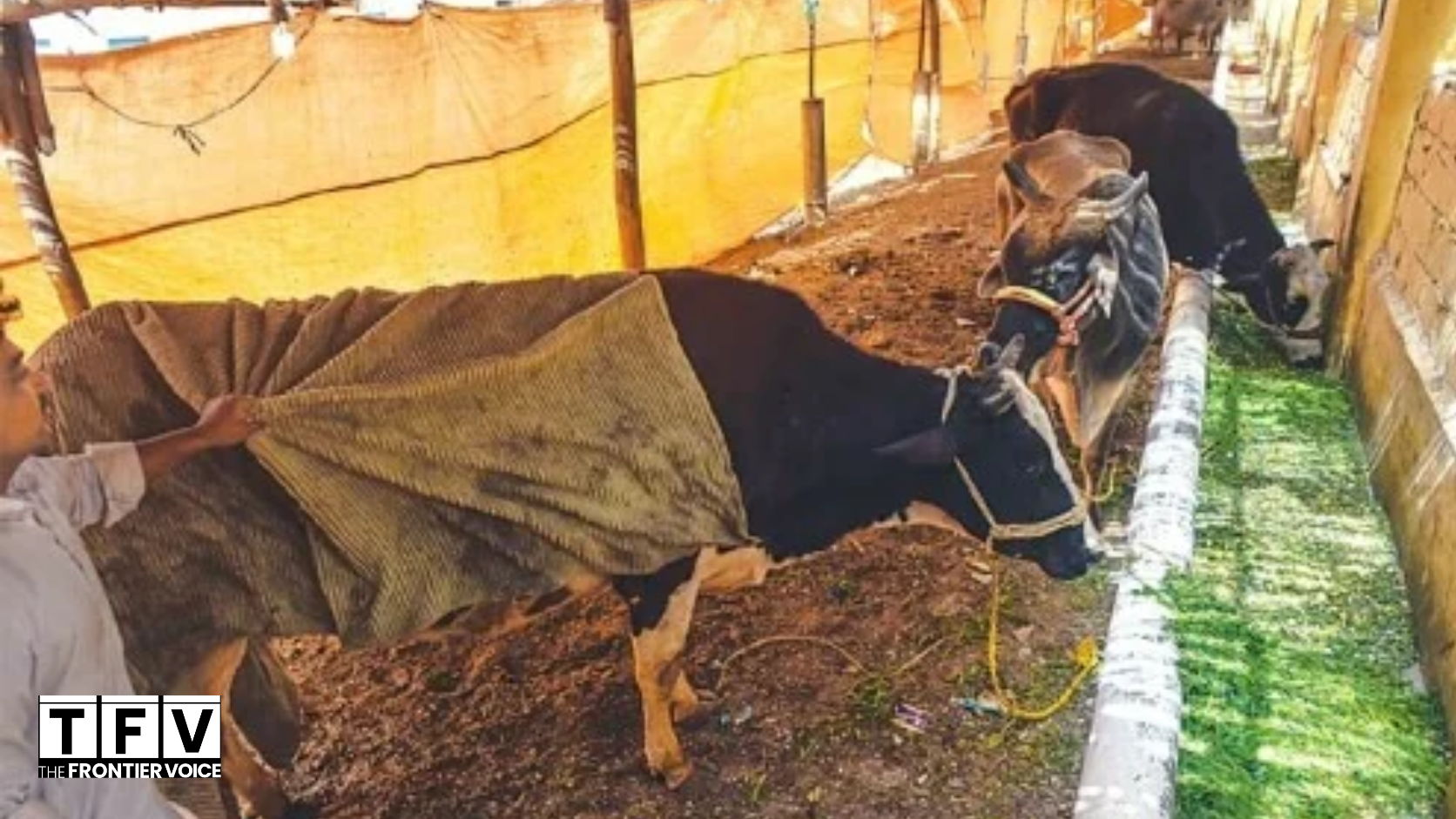
Foot-and-mouth disease is a major concern for livestock-producing countries because it affects the health and productivity of animals. Outbreaks can cause economic losses for farmers and livestock businesses by disrupting milk and meat production and increasing the costs associated with disease control.
Pakistan has been exploring ways to strengthen its domestic capacity to produce vaccines and improve disease surveillance. Cooperation with Türkiye is expected to provide technical support and opportunities for training Pakistani professionals in relevant fields.
Discussions between Federal Minister for National Food Security and Research Rana Tanveer Hussain and the Turkish ambassador in Pakistan covered agricultural cooperation, livestock health, vaccine manufacturing and the export of value-added food products.
Under the proposed training programme, Pakistan plans to send an initial group of approximately 30 individuals to Türkiye for technical training. The broader proposal reportedly envisages training around 100 individuals.
The discussions also considered the possibility of Turkish technical experts visiting Pakistan to assess local requirements and support cooperation in vaccine production.
An important objective of the initiative is to improve disease control and explore the development of disease-free livestock zones. Such measures could help strengthen the quality and international marketability of Pakistani meat products.
Türkiye is among the potential markets and partners being considered for greater trade cooperation. However, expanding meat exports will require compliance with international veterinary standards, effective disease surveillance, certification and the relevant import requirements of destination countries.
The proposed cooperation could provide an opportunity to improve Pakistan's livestock infrastructure and reduce dependence on externally sourced vaccines. Nevertheless, the actual benefits will depend on implementation, manufacturing capacity, vaccine quality and sustained disease-control measures.
The initiative reflects a wider effort to use international technical partnerships to strengthen agricultural productivity and improve export potential.