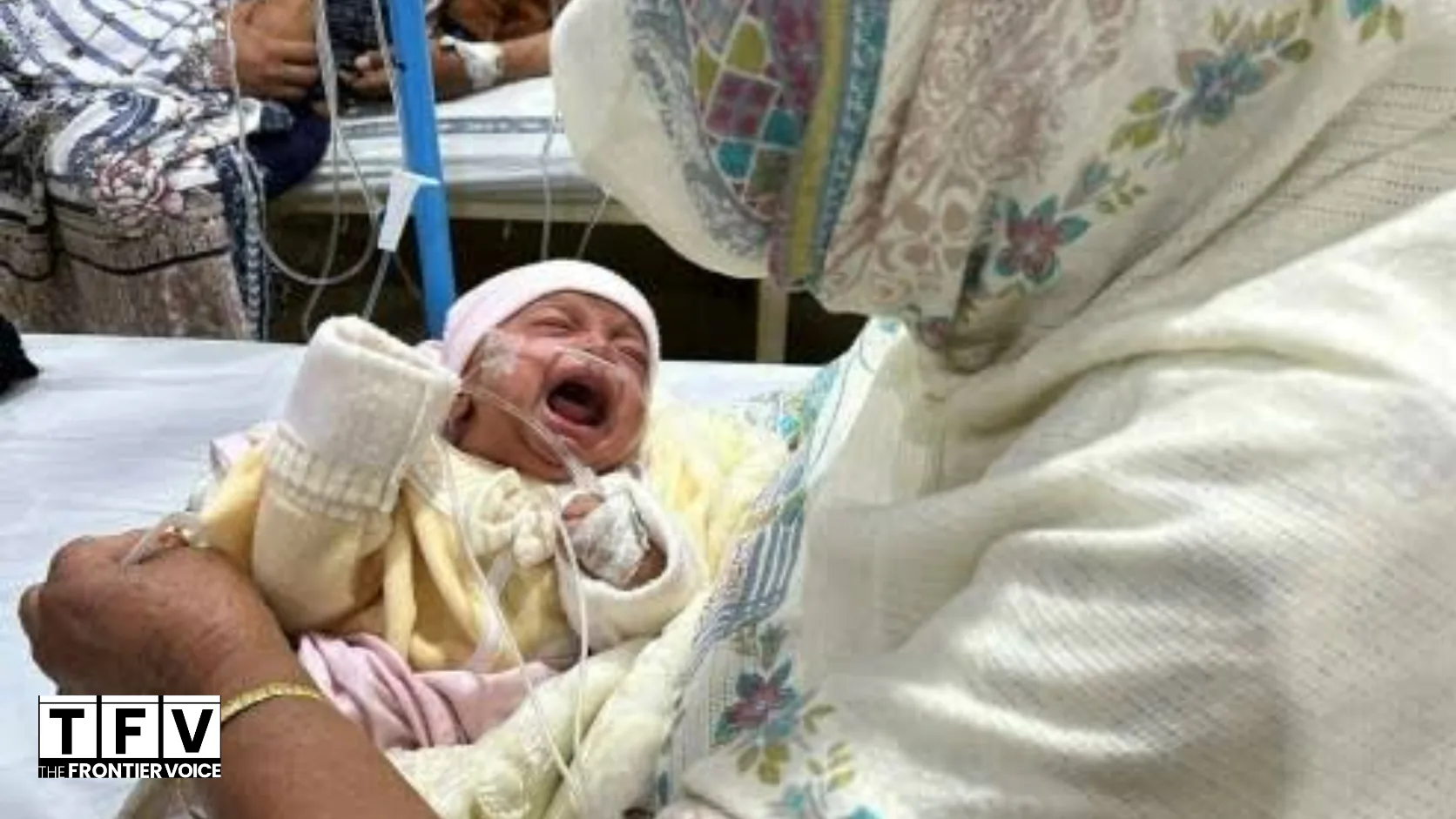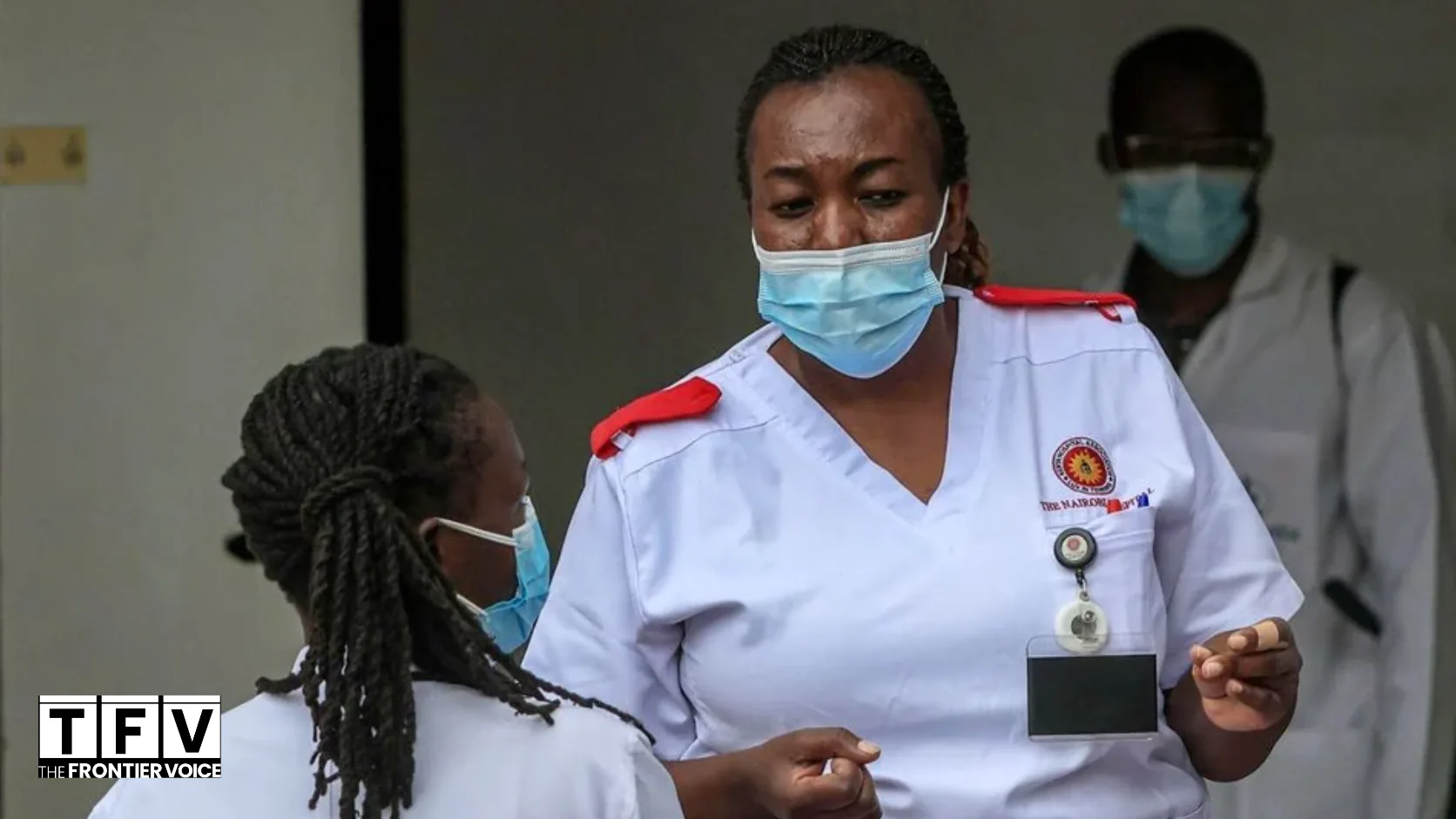

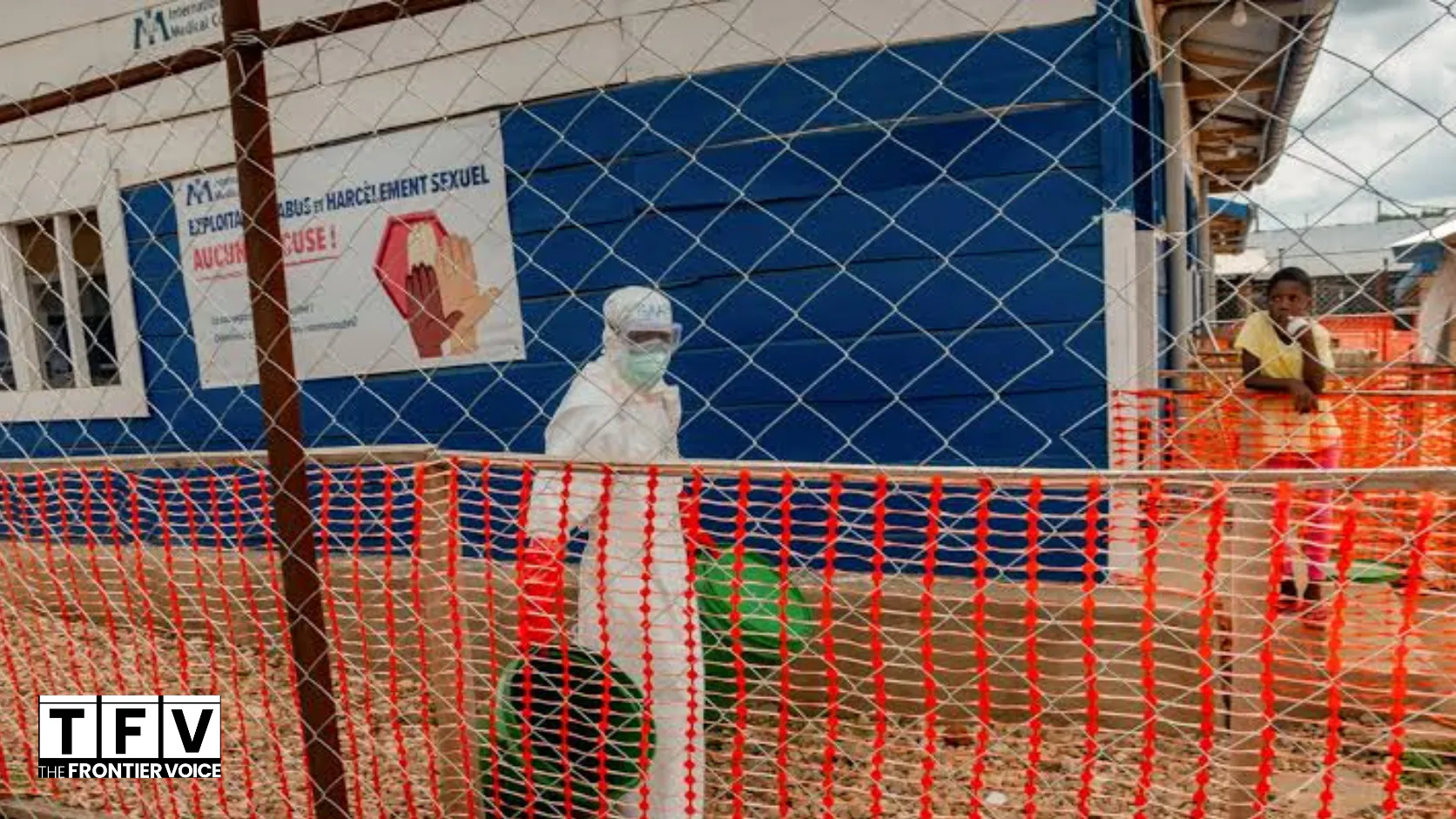
Health authorities are continuing to face major challenges in containing an Ebola outbreak across parts of Africa, six months after the outbreak was first identified. Although cases have declined in some previously affected areas, the virus continues to spread into remote communities where medical access is limited.
According to Reuters, confirmed cases have exceeded 11,000, making the outbreak the second-largest Ebola outbreak on record. The current outbreak, identified in mid-May, involves the Bundibugyo virus, a rare strain for which there are no approved vaccines or specific treatments.
World Health Organization officials say the response has made progress in some former hotspots, including Bunia. However, insecurity remains a major obstacle, with medical teams struggling to reach certain areas safely.
UN Ebola coordinator Julien Harneis said response teams were able to operate in affected areas around 80% of the time. Health officials have also reported approximately 80 attacks on healthcare facilities and workers, further complicating efforts to control the disease.
The absence of an approved vaccine or treatment for this strain makes early identification, isolation, supportive medical care and protection of healthcare workers particularly important. Aid organisations have also raised concerns about shortages of supplies and the scale of the affected region.
The outbreak demonstrates how insecurity, limited healthcare infrastructure and difficulties reaching remote communities can undermine efforts to contain infectious diseases, even when international assistance is available.