

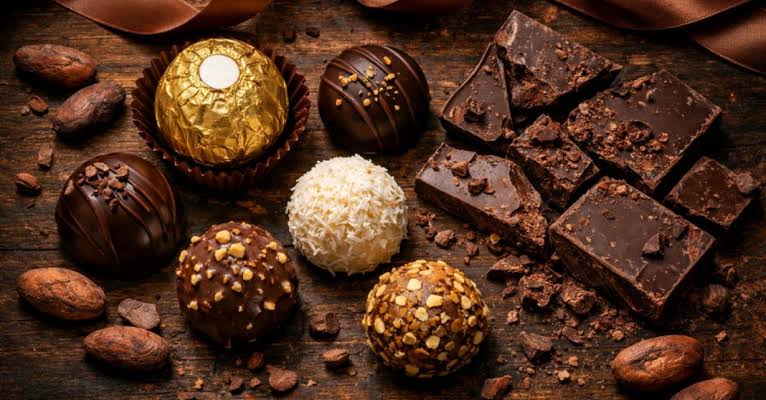
Chocolate is one of the world's most popular foods, but many people are unaware of the fascinating history and science behind it.
According to international reports, cocoa beans were once used as currency in ancient civilizations to buy food, clothing, and other goods. Historians say that around 100 cocoa beans could even be exchanged for a turkey.
Experts explain that cocoa pods grow directly from the trunk and thick branches of the cocoa tree rather than its smaller branches. Producing a single chocolate bar requires approximately 400 cocoa beans, which go through harvesting, fermentation, drying, roasting, and processing before becoming chocolate.
Chocolate melts at a temperature slightly below that of the human body, giving it its smooth, creamy texture in the mouth. White chocolate contains cocoa butter, milk, and sugar but lacks cocoa solids, making its flavor and color different from regular chocolate.
Reports also reveal that chocolate contains more than 600 natural aroma compounds, while the earliest forms of chocolate were consumed as a bitter drink mixed with water, spices, and herbs. The world's largest chocolate bar weighed more than 5,000 kilograms, earning a place in the record books.